- OPD 9 AM – 6 PM · Emergency 24×7
- Mayur Nagar, N-11, CIDCO, Chhatrapati Sambhajinagar
Home › Surgical oncology › Laparoscopic Cancer Surgery
Laparoscopic cancer surgery is a minimally invasive approach in which the surgeon operates through a few small incisions using a camera and long, specialised instruments, instead of one large cut.
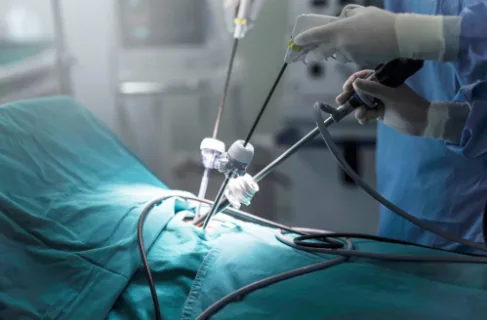
For selected abdominal and pelvic cancers, laparoscopic (keyhole) surgery can allow the tumour and the required surrounding tissue to be removed with smaller wounds. Whether it is suitable depends on the cancer type, stage, tumour location, previous surgery and the patient’s overall health.
At Karnawat Cancer Hospital, the surgical oncology team decides between laparoscopic, robotic-assisted and open surgery after reviewing each patient’s reports.
The surgeon makes small incisions to access the surgical area rather than using one large incision.
A laparoscope containing a light and camera is inserted through one of the incisions. The camera displays images of the inside of the body on a monitor.
Long, specialized instruments are inserted through additional small incisions. The surgeon uses these instruments to perform the required surgical steps.
When laparoscopic surgery is appropriate, the surgeon removes the tumour and the necessary surrounding tissue according to the cancer and surgical plan.
The removed tissue is sent for pathological examination. The pathology findings help determine the characteristics of the cancer and whether additional treatment may be recommended.
Laparoscopic cancer surgery is performed as part of surgical oncology when a minimally invasive approach is appropriate for the patient's cancer and planned procedure.
Before recommending laparoscopic surgery, the surgical team considers the cancer type, stage, tumour location, imaging and pathology findings, previous treatments and the patient's overall health.
Cancer treatment may involve several specialists. Depending on the patient's diagnosis, Surgical Oncology may work with Medical Oncology, Radiation Oncology, Pathology and Diagnostic Imaging teams to develop an appropriate treatment plan.
The goal is not simply to use a minimally invasive technique, but to select the most appropriate surgical approach for safe and effective cancer treatment.
In selected situations, laparoscopy can be used to examine the abdomen or pelvis, assess the extent of disease or obtain tissue samples.
For selected localized cancers, laparoscopic surgery may be used to remove the tumour and the required surrounding tissue.
Some patients may receive chemotherapy, radiation therapy or other treatment before surgery. After reassessment, surgery may be considered if appropriate.
Depending on the cancer type and pathology findings, additional treatment such as chemotherapy, radiation therapy, immunotherapy or targeted therapy may be recommended after surgery.
Recovery varies depending on the type and extent of surgery, the cancer being treated, the surgical approach and the patient’s overall health.
Patients may experience temporary discomfort around the incision sites, fatigue or abdominal discomfort after surgery. The surgical team will provide individualized instructions regarding wound care, activity, diet, medicines and follow-up. A smaller incision does not necessarily mean a minor operation. Some laparoscopic cancer procedures can still be major surgeries and require appropriate postoperative monitoring and recovery.
No. Laparoscopic surgery is appropriate only for selected cancers and procedures. Suitability depends on factors such as cancer type, stage, tumour location and the complexity of the operation.
Laparoscopic surgery can offer advantages for selected procedures, but it is not automatically safer for every cancer or patient. The appropriate surgical approach depends on the individual clinical situation.
Laparoscopic surgery is a method of performing surgery, not a guarantee of cure. When appropriate, it can be used to remove cancer surgically. Whether surgery can completely remove the cancer depends on the cancer type, stage, extent and other clinical factors.
Both are minimally invasive approaches that use small incisions and a camera. In laparoscopic surgery, the surgeon directly controls the instruments. In robotic-assisted surgery, the surgeon controls specialized robotic instruments from a console. The choice depends on the procedure, surgeon expertise and patient-specific factors.
There is no single recovery time. It depends on the type and extent of surgery, the cancer being treated and the patient’s overall health. Your surgical team can provide a more specific estimate after evaluating your case.
Yes. In some situations, the surgeon may determine during the operation that an open approach is safer or necessary to complete the procedure effectively. This decision is made according to the patient’s safety and surgical requirements.
This page is for general information and does not replace a consultation. Treatment is decided by your oncologist after reviewing your reports.
Emergency & I.C.U. 24×7 · OPD 9 AM – 6 PM

Cancer surgery is an important treatment option for many solid tumours, especially when the cancer is localized and can be safely removed.
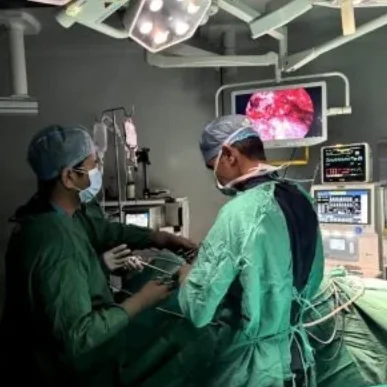
Cancer surgery is an important treatment option for many solid tumours, especially when the cancer is localized and can be safely removed.

Robotic cancer surgery is a minimally invasive approach in which a trained surgeon uses a computer-assisted robotic system to control…

Oncoplastic surgery combines cancer surgery with techniques that may help preserve appearance and function where medically appropriate.
If you have been diagnosed with cancer and are considering surgery, a consultation with a Surgical Oncologist can help determine whether laparoscopic surgery may be appropriate for your specific condition. Bring relevant pathology reports, imaging reports, previous treatment records and other medical documents to your consultation. Your surgical team can review these details and discuss the available treatment approaches.
Share your details and our team will call you to confirm a time.