- OPD 9 AM – 6 PM · Emergency 24×7
- Mayur Nagar, N-11, CIDCO, Chhatrapati Sambhajinagar
Home › Medical oncology › Hormone Therapy
Hormone therapy, also called hormonal therapy or endocrine therapy, is a cancer treatment used for certain cancers that depend on hormones to grow.

It works by lowering hormone levels or preventing hormones from stimulating cancer cells. Hormone therapy is mainly used for selected types of breast cancer and prostate cancer. Depending on the cancer type, stage and hormone receptor status, it may be recommended before or after other treatments, for recurrent cancer or for cancer that has spread.
At Karnawat Cancer Hospital, hormone therapy is planned according to the patient’s diagnosis, test results, treatment goals and overall health under the guidance of a medical oncologist.
Hormone therapy for cancer, also known as endocrine therapy, is a specialized treatment used for certain hormone-sensitive cancers. Some cancers, particularly certain breast and prostate cancers, use hormones such as estrogen or androgens to grow. Hormone therapy works by lowering the amount of specific hormones in the body or blocking hormones from attaching to receptors on cancer cells.
Hormone therapy may be used alone or alongside other cancer treatments, depending on the type and stage of cancer and the individual treatment plan.
Given after surgery or radiation to any remaining microscopic cancer cells and reduce the risk of the cancer returning.
In selected cases, hormone therapy may be given before surgery or radiation to help shrink or control a hormone-sensitive tumour.
For advanced or metastatic hormone-sensitive cancer, hormone therapy may help slow cancer growth, control the disease and relieve symptoms.
Tablets or pills, such as aromatase inhibitors or selective estrogen receptor modulators, may be prescribed for certain hormone-sensitive cancers.
Some hormone therapies are given as periodic injections to reduce or block hormone production or activity.
In selected cases, surgery to remove hormone-producing organs, such as the ovaries or testicles, may be considered to reduce hormone production.
Hormone therapy is used for certain cancers that depends on hormones to grow. It works by reducing hormone levels or blocking their effects on cancer cells. The treatment approach depends on the type and stage of cancer, hormone-receptor status, overall health and previous treatments.
Particularly cancers that have estrogen or progesterone receptors, where endocrine treatment can help prevent hormones from encouraging tumour growth.
Treatment may reduce or block the effects of male hormones (androgens), which can help control certain prostate cancers.
Hormonal treatment may be appropriate for selected tumours that respond to hormones, depending on the cancer’s characteristics and stage.
In certain situations, hormone therapy may be considered when laboratory and pathology findings indicate that the cancer may respond to hormonal treatment.
Patients looking for a hormone therapy hospital in Chh. Sambhajinagar should choose a cancer centre where treatment is planned based on pathology reports, hormone receptor testing, cancer stage and expert medical evaluation. Hormone therapy is not the same for every patient. The oncologist considers the type of cancer, whether it is hormone-sensitive, the most suitable treatment, how long it may be needed and the follow-up required during treatment.
At Karnawat Cancer Hospital, our oncology team provides personalised guidance and discusses suitable hormone therapy options based on each patient’s cancer diagnosis and individual treatment needs.
Dr. Khushboo Jain Karnawat is a Medical Oncologist at Karnawat Cancer Hospital, Chh. Sambhajinagar. Her qualifications include MBBS, MD in Radiation Oncology, DM in Medical Oncology and DrNB in Medical Oncology.
Her practice includes medical oncology consultation and systemic cancer treatment based on individual patient requirements.
Patients seeking immunotherapy treatment in Chh. Sambhajinagar can consult a qualified medical oncologist to understand whether immunotherapy may be suitable for their specific diagnosis.
Book a Medical Oncology Consultation
Hormone therapy for cancer is a treatment that blocks hormones or reduces hormone production to slow the growth of cancers that depend on hormones. It is commonly used for selected breast and prostate cancers.
No. Chemotherapy uses medicines that affect rapidly dividing cells, while hormone therapy works through specific hormonal pathways. Hormone therapy is used only for cancers that are sensitive to hormone-related treatment.
Hormone therapy is most commonly used for hormone receptor-positive breast cancer and hormone-sensitive prostate cancer. Its use in other cancers depends on the specific diagnosis and available treatment options.
Possible side effects include hot flashes, night sweats, vaginal dryness, menstrual changes, fatigue, mood changes, joint discomfort and changes in bone health. Side effects vary according to the medicine.
Hormone therapy may help control cancer, reduce the risk of recurrence or slow the growth of advanced disease. Whether it can contribute to a curative treatment plan depends on the cancer type, stage and other treatments used. It should not be described as a guaranteed cure.
The duration depends on the cancer type, stage, recurrence risk, treatment response, side effects and the prescribed medicine. Some breast cancer patients may receive treatment for several years.
Yes. Depending on the diagnosis, hormone therapy may be combined with surgery, radiation therapy, chemotherapy or targeted therapy.
Do not stop treatment without speaking to your oncologist. The doctor may suggest supportive medicines, monitoring, a change in treatment or another approach depending on the situation.
therapy?
No. Cancer hormone therapy generally blocks or reduces hormone activity, while menopause hormone therapy replaces hormones to manage selected symptoms. They have different purposes, benefits and risks.
This page is for general information and does not replace a consultation. Treatment is decided by your oncologist after reviewing your reports.
Emergency & I.C.U. 24×7 · OPD 9 AM – 6 PM

Medical oncology is a specialised branch of cancer care focused on the medical treatment and management of cancer.
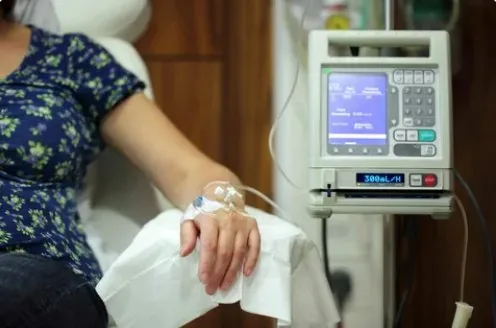
Chemotherapy is a type of cancer treatment that uses medicines to destroy cancer cells, slow their growth, or control the progression of…
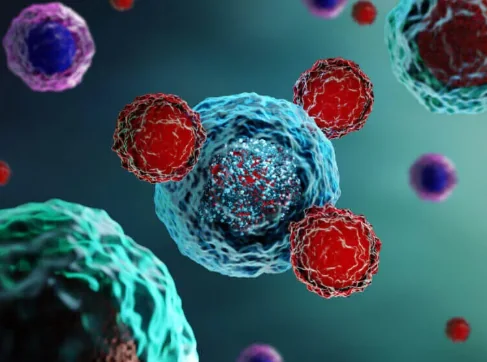
Immunotherapy is a type of cancer treatment that helps the body’s immune system recognise and respond to cancer cells.
Targeted therapy is a type of cancer treatment that acts on specific molecules, genes or proteins involved in the growth, spread or…
Consultations, second opinions and treatment planning. Emergency and I.C.U. care 24 hours a day.
Share your details and our team will call you to confirm a time.