- OPD 9 AM – 6 PM · Emergency 24×7
- Mayur Nagar, N-11, CIDCO, Chhatrapati Sambhajinagar
Home › Surgical oncology › Cancer Surgery
Cancer surgery is an important treatment option for many solid tumours, especially when the cancer is localized and can be safely removed.
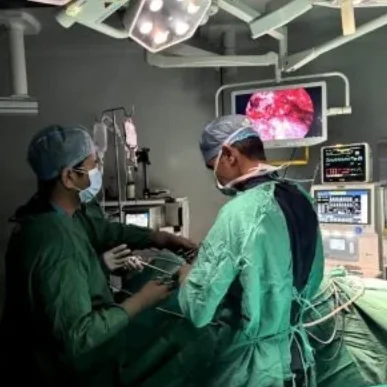
Whether surgery is suitable depends on the type, stage and location of the cancer, as well as the patient’s overall health and need for other treatments such as chemotherapy, radiation, immunotherapy or targeted therapy.
At Karnawat Cancer Hospital, Chh. Sambhajinagar, our Surgical Oncology team provides treatment planning and surgical care for selected cancers based on the patient’s diagnosis, cancer stage, overall health and clinical needs.
Cancer surgery is a specialized medical procedure used to diagnose, stage, remove or manage cancer in selected patients. It is mainly used for solid tumours that can be safely treated through surgery.
Depending on the type, stage and location of the cancer, surgery may involve removing the tumour, part or all of an affected organ, nearby lymph nodes or surrounding tissue to help remove cancer cells completely.
In some cases, surgery may also be performed to relieve cancer-related symptoms, control the disease or improve the patient’s quality of life. The need for surgery is determined by a Surgical Oncologist based on the patient’s individual diagnosis and overall health.
Breast CANCERS GASTROINTESTINAL CANCERS HEPATO-BILIARY
THORACIC CANCERS HEAD & NECK CANCERS
Surgery can be an important part of treatment for selected breast cancers. Depending on the tumour and other clinical factors, procedures may include breast-conserving surgery or mastectomy.
Surgery may be used for selected cancers involving organs of the digestive system, depending on the tumour's location, extent and resectability.
Surgery may be considered for selected cancers of the oral cavity, throat and other head and neck structures depending on tumour location and stage.
Surgery is often an important component of treatment for localized soft-tissue or bone sarcomas. Surgical planning may consider tumour removal while preserving as much function as possible.
Surgery may also form part of treatment for selected cancers of other organs. The appropriate approach depends on the specific cancer rather than the presence of a tumour alone.
Surgical oncology services for selected solid tumours, with treatment planning based on cancer type, stage, location and patient-specific factors.
Minimally invasive surgical approaches may be considered for selected cancers and procedures when clinically appropriate.
Robotic-assisted techniques may be considered for selected procedures where the surgical team determines that they are appropriate.
Cancer treatment may involve multiple specialists. Depending on the diagnosis, the Surgical Oncology team may work with Medical Oncology, Radiation Oncology, Pathology and Diagnostic Imaging specialists to develop an appropriate treatment plan.
Some patients receive treatment before surgery to shrink or control the tumour and potentially make surgery more appropriate.
For selected localized cancers, surgery may be the main treatment intended to remove the tumour.
Additional treatment after surgery may be recommended to reduce the risk of recurrence, depending on the cancer type and pathology findings.
Some patients require combinations of surgery with chemotherapy, radiation therapy, immunotherapy or targeted therapy. The sequence depends on the specific cancer and treatment plan.
No. Whether surgery is appropriate depends on the cancer type, location, stage, resectability and the patient’s overall health. Some cancers are primarily treated with medicines, radiation or combinations of treatments.
No. Surgery may be intended to remove localized cancer completely, but it does not guarantee that cancer will not recur. Some patients require additional treatment before or after surgery.
No. Robotic-assisted surgery is an option for selected procedures. The surgeon determines suitability based on the cancer, anatomy, procedure and individual patient factors.
There is no single recovery period. It depends on the type and extent of surgery, the surgical approach and the patient’s overall health.
Open surgery uses a larger incision to access the area being treated, while laparoscopic surgery uses smaller incisions through which a camera and surgical instruments are inserted. The appropriate approach depends on the cancer, procedure, anatomy and the surgeon’s assessment.
Yes. Depending on the type and stage of cancer, chemotherapy, radiation therapy, immunotherapy or targeted therapy may be given before or after surgery. The treatment sequence is determined according to the individual cancer and treatment plan.
No. Some solid tumours are treated primarily with radiation therapy, medicines or a combination of treatments. Whether surgery is appropriate depends on factors such as cancer type, stage, location, resectability and the patient’s overall health.
This page is for general information and does not replace a consultation. Treatment is decided by your oncologist after reviewing your reports.
Emergency & I.C.U. 24×7 · OPD 9 AM – 6 PM

Cancer surgery is an important treatment option for many solid tumours, especially when the cancer is localized and can be safely removed.
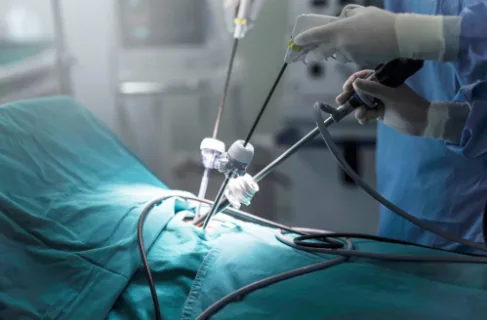
Minimally invasive cancer surgery through small incisions for selected patients.

Robotic cancer surgery is a minimally invasive approach in which a trained surgeon uses a computer-assisted robotic system to control…

Oncoplastic surgery combines cancer surgery with techniques that may help preserve appearance and function where medically appropriate.
If you or a family member has been diagnosed with a solid tumour and has been advised to consider cancer surgery, consult a qualified Surgical Oncologist to understand whether surgery may be appropriate and how it fits into the overall treatment plan. Bring relevant pathology reports, imaging reports and previous treatment records to your consultation so the oncology team can review your medical history and discuss the next appropriate steps.
Share your details and our team will call you to confirm a time.