- OPD 9 AM – 6 PM · Emergency 24×7
- Mayur Nagar, N-11, CIDCO, Chhatrapati Sambhajinagar
Home › Advanced facilities › Advanced I.C.U.
Karnawat Cancer Hospital provides intensive care support for patients who require close medical supervision, specialized monitoring and supportive treatment.
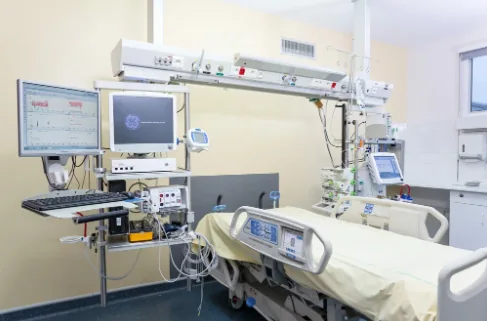
The Advanced Intensive Care Unit (ICU) plays an important role in caring for selected patients with serious medical conditions and those requiring close monitoring after major cancer surgery.
ICU care involves coordinated support from doctors, nurses, anesthesiologists and other healthcare professionals. The type and level of monitoring and treatment provided depend on the patient’s medical condition, treatment requirements and recovery needs.
An Advanced Intensive Care Unit (ICU) is a specialized hospital unit for patients who require close monitoring, intensive treatment or medical support for serious health conditions.
In a cancer hospital, ICU care may be required for selected patients following complex cancer surgery or when serious complications occur during treatment. The ICU team closely monitors the patient’s condition and provides appropriate medical support based on their clinical needs.
The need for ICU admission is determined by the treating medical team. Not every cancer patient or every patient undergoing cancer surgery requires intensive care.
Some major cancer surgeries can place significant demands on the body. Depending on the type of procedure and the patient’s overall health, close monitoring and specialized support may be required during the early recovery period.
ICU care may be recommended after surgery for reasons such as:
The decision to admit a patient to the ICU depends on factors such as the type and extent of surgery, medical history, overall health and the patient’s condition following the procedure.
ICU facilities are designed to support patients who require a higher level of medical observation, monitoring and care. The equipment and support provided may vary according to each patient’s condition and clinical needs.
Patient monitoring helps the medical team assess important parameters such as heart rate, blood pressure, oxygen saturation and breathing. Monitoring may be continuous or performed at regular intervals, depending on the patient’s condition.
Some critically ill patients may require assistance with breathing. Respiratory support can range from supplemental oxygen to mechanical ventilation, depending on the patient’s clinical condition and medical requirements.
Patients in intensive care may require medications, fluids or other treatments administered through intravenous lines. Infusion and syringe pumps can help deliver prescribed medications and fluids at controlled rates when required.
Infection prevention is an important part of ICU care, particularly for patients whose immune systems may be affected by cancer or its treatment. Measures may include hand hygiene, equipment cleaning, appropriate protective practices and adherence to hospital infection-control protocols. Note: Publish equipment-specific statements only after confirming that the relevant equipment and services are currently available at Karnawat Cancer Hospital.
Hospitals organize intensive care units (ICUs) based on age, medical condition and treatment needs. Common types include:
A Medical Intensive Care Unit provides specialized monitoring and treatment for patients with serious medical conditions requiring intensive care.
A Surgical Intensive Care Unit provides close monitoring and support for selected patients after major surgery or surgical complications.
A Cardiac Intensive Care Unit provides specialized monitoring and treatment for patients with serious heart-related conditions requiring intensive medical care.
A Neuro Intensive Care Unit provides specialized care for patients with serious neurological conditions, including certain strokes, brain injuries and nervous-system complications.
A Pediatric Intensive Care Unit provides intensive monitoring and treatment for critically ill infants, children and adolescents requiring specialized medical care.
Patients in an Intensive Care Unit (ICU) are closely monitored to assess their condition and detect any changes that may require medical attention.
Monitoring may include heart rate and rhythm, blood pressure, oxygen saturation, breathing rate, temperature, fluid intake, urine output and blood tests or other investigations when needed.
The type and frequency of monitoring depend on the patient’s condition and the medical team uses these findings to adjust treatment and care accordingly.
A cancer patient may need ICU care when they require close monitoring or intensive medical support that cannot be safely provided in a general ward. This may include severe breathing problems, serious infections or sepsis, unstable blood pressure, complications after major surgery or cancer treatment or the need for organ support. The decision depends on the patient’s individual condition, vital signs, diagnosis and treatment needs.
An advanced ICU is a specialized unit for patients who need intensive monitoring, treatment or medical support. In a cancer hospital, it may support selected patients after major surgery or those experiencing serious complications.
ICU care may be important after certain major cancer surgeries when patients need close monitoring, respiratory support or management of complications. The need depends on the patient’s condition and the type of surgery.
Common types include Medical ICU (MICU), Surgical ICU (SICU), Cardiac ICU (CICU), Neuro ICU and Pediatric ICU (PICU). Not every hospital has all these specialized units.
Depending on the hospital, ICU facilities may include bedside monitoring systems, oxygen support, ventilators, infusion pumps and equipment for emergency care. The exact facilities available should be confirmed with the hospital.
The ICU may provide close monitoring and support during the early recovery period after major cancer surgery. It can help the medical team identify and manage complications that require intensive care.
Patients may be monitored using equipment that measures heart rate, blood pressure, oxygen saturation and breathing. The medical team also performs clinical assessments and orders tests when needed.
A general ward provides routine inpatient care, while an ICU is for patients who need intensive monitoring, specialized treatment or organ support. The level of observation and care is based on the patient’s medical needs.
This page is for general information and does not replace a consultation. Treatment is decided by your oncologist after reviewing your reports.
Emergency & I.C.U. 24×7 · OPD 9 AM – 6 PM
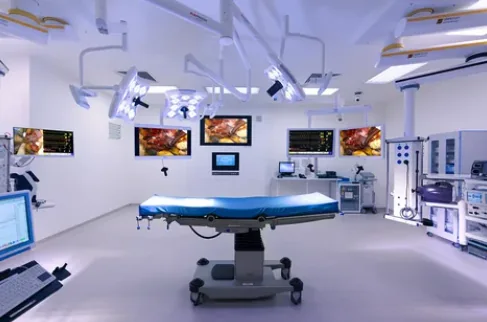
At Karnawat Cancer Hospital, Chh. Sambhajinagar, the advanced operation theatre supports surgical procedures as part of cancer care.

Learn how this treatment is planned and delivered at Karnawat Cancer Hospital.

Cancer surgery is an important treatment option for many solid tumours, especially when the cancer is localized and can be safely removed.

Medical oncology is a specialised branch of cancer care focused on the medical treatment and management of cancer.
Consultations, second opinions and treatment planning. Emergency and I.C.U. care 24 hours a day.
Share your details and our team will call you to confirm a time.