- OPD 9 AM – 6 PM · Emergency 24×7
- Mayur Nagar, N-11, CIDCO, Chhatrapati Sambhajinagar
Home › Cancers we treat › Colorectal Cancer
Colorectal cancer affects the colon or rectum.

Colorectal cancer affects the colon or rectum. It may develop from abnormal growths called polyps, some of which can become cancerous over time.
Possible symptoms may include:
Symptoms can vary depending on the location and extent of the tumour. Blood in the stool should not be ignored.
Diagnosis and staging usually combine examination, imaging and a tissue test. Depending on your symptoms and reports, your oncologist may recommend:
The biopsy confirms the diagnosis; scans show the size and spread of the disease, which together decide the stage.
Staging describes how large the cancer is and whether it has spread to lymph nodes or other organs. Along with the pathology report, biomarkers and your overall health, the stage guides whether treatment aims to cure the cancer, control it over a longer period, or relieve symptoms.
The need for chemotherapy, radiation or other treatment depends on the pathology report, stage and tumour characteristics.
Cancer surgery, including minimally invasive approaches for selected patients, led by Dr. Anand Karnawat (MCh Surgical Oncology).
Chemotherapy, immunotherapy, targeted therapy and hormone therapy when appropriate, planned by Dr. Khushboo Jain Karnawat (DM Medical Oncology).
Treatment decisions by a trained surgical oncologist and medical oncologist.
Surgery, systemic therapy and supportive care planned together around your reports.
Modular operation theatre and intensive care for patients who need it.
Specialist cancer care in Chhatrapati Sambhajinagar for patients across Marathwada.
Common warning signs include blood in the stool, persistent changes in bowel habits, diarrhoea or constipation that does not resolve. These symptoms can also have other causes, so a persistent change should be checked by a doctor.
Usually a combination of colonoscopy with biopsy, CT scan of the chest, abdomen and pelvis, MRI of the pelvis for rectal cancer, depending on your symptoms and examination findings.
A surgical oncologist and a medical oncologist usually plan treatment together. At Karnawat Cancer Hospital this is coordinated by Dr. Anand Karnawat and Dr. Khushboo Jain Karnawat.
Many patients are treated successfully, especially when the cancer is found early. The outcome depends on the type, stage, biomarkers and overall health, and your oncologist will explain the realistic goals of treatment in your case.
Bring all biopsy and pathology reports, scan reports and CDs, blood test results, a list of current medicines and details of any treatment already received.
This page is for general information and does not replace a consultation. Treatment is decided by your oncologist after reviewing your reports.
Emergency & I.C.U. 24×7 · OPD 9 AM – 6 PM
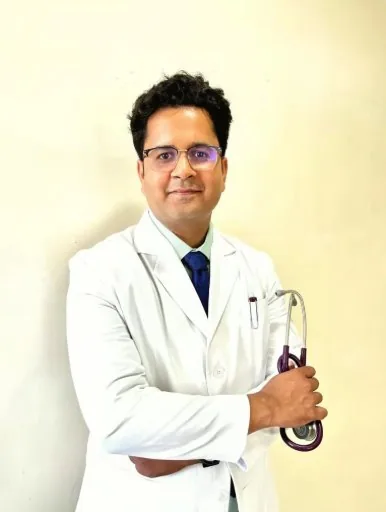
MBBS, MS (General Surgery, JIPMER), MCh (Surgical Oncology, Cancer Institute WIA Adyar), FMAS, FICRS (Robotic Surgery), Fellowship in Microvascular Surgery
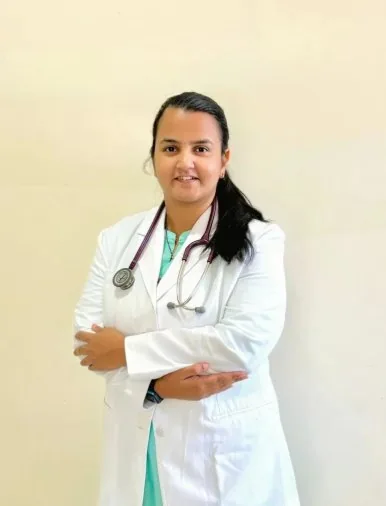
MBBS, MD (Radiation Oncology), DM (Medical Oncology), DrNB Medical Oncology, ESMO Certification (ECMO)
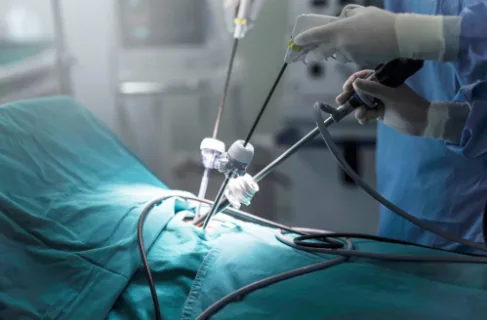
Minimally invasive cancer surgery through small incisions for selected patients.

Robotic cancer surgery is a minimally invasive approach in which a trained surgeon uses a computer-assisted robotic system to control…
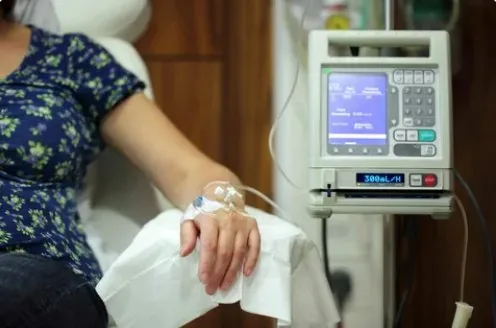
Chemotherapy is a type of cancer treatment that uses medicines to destroy cancer cells, slow their growth, or control the progression of…
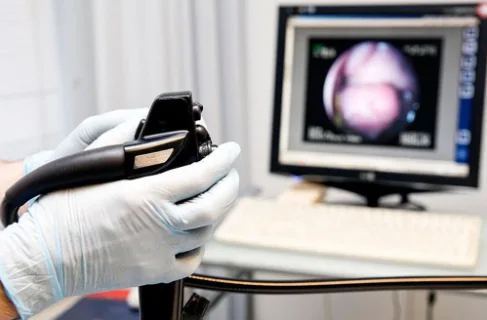
Endoscopy is a minimally invasive procedure that allows doctors to examine the inside of the body using a thin tube called an endoscope.
Share your reports with our oncology team and get a clear plan for the next step. Emergency and I.C.U. care are available 24 hours a day.
Share your details and our team will call you to confirm a time.