- OPD 9 AM – 6 PM · Emergency 24×7
- Mayur Nagar, N-11, CIDCO, Chhatrapati Sambhajinagar
Home › Surgical oncology
Cancer surgery is an important treatment option for many solid tumours, especially when the cancer is localized and can be safely removed.

Whether surgery is suitable depends on the type, stage and location of the cancer, as well as the patient’s overall health and need for other treatments such as chemotherapy, radiation, immunotherapy or targeted therapy.
At Karnawat Cancer Hospital, Chh. Sambhajinagar, our Surgical Oncology team provides treatment planning and surgical care for selected cancers based on the patient’s diagnosis, cancer stage, overall health and clinical needs.
Surgical oncology is a specialized area of cancer care that uses surgery to diagnose, remove, or manage certain cancers. Surgery is not suitable for every patient. The recommended treatment depends on the cancer type, stage, location, overall health and response to other treatments.
Depending on the cancer type and stage, surgery may be used to:
Surgery may be used to treat various solid tumours, depending on the cancer’s stage, location and other clinical factors.
Breast cancer surgery may involve breast-conserving surgery or mastectomy to remove the tumour. Lymph node assessment may be recommended in selected cases. The procedure depends on tumour characteristics, imaging, biopsy findings and the treatment plan.
Surgical oncology may help treat selected gastrointestinal cancers, including stomach, colorectal, small intestine, liver, pancreatic and oesophageal cancers. Surgery depends on the affected organ, tumour extent, overall health and whether complete or appropriate removal is feasible.
Surgery may be considered for selected cancers involving the oral cavity, throat, salivary glands and other head and neck structures. Treatment planning considers cancer control while aiming to preserve speech, swallowing, breathing and appearance when possible.
Sarcoma surgery may involve removing the tumour with an appropriate margin while preserving nearby structures and function whenever possible. Treatment depends on the sarcoma type, location, size, extent, imaging findings and the patient’s overall treatment plan.
Surgical oncology may also be involved in selected skin, soft tissue, gynaecological, thoracic and other solid tumours. Treatment is individualised based on the diagnosis, tumour characteristics, imaging, biopsy findings, overall health and multidisciplinary recommendations.
At Karnawat Cancer Hospital, surgical approaches are selected based on the cancer type, tumour location, procedure and patient’s condition.
Open Cancer Surgery Open cancer surgery involves making an incision to access the affected area and remove the tumour or surrounding tissue. It may be recommended when direct access is needed for complex procedures safely. [Explore open cancer Surgery →] Laparoscopic and Minimally Invasive Cancer Surgery Minimally invasive cancer surgery uses smaller incisions and specialised instruments. Laparoscopic procedures use a camera and instruments through small openings. Suitability depends on cancer type, location, complexity and clinical assessment by surgeons. [Explore Laparoscopic & Minimally Invasive Surgery →] Robotic-Assisted Cancer Surgery Robotic-assisted cancer surgery uses a specialised surgical system controlled by the surgeon. It may support precise instrument movement and visualisation during selected procedures. Suitability depends on cancer characteristics, procedure and judgment. [Explore Robotic Surgery →] Oncoplastic Surgery Oncoplastic surgery combines cancer removal with reconstructive or tissue-preserving techniques. It is particularly relevant in selected breast cancer procedures and may also be considered in other areas where reconstruction is needed appropriately. [Explore Oncoplastic Surgery →]
Before recommending cancer surgery, the surgical oncologist evaluates several factors, including the confirmed diagnosis, cancer stage, tumour location and size and whether the tumour can be safely removed. A biopsy and pathology report may help confirm the cancer type and guide treatment planning, while imaging and other investigations help assess the extent of disease. The patient’s overall health, nutritional status, existing medical conditions, previous treatments and fitness for anaesthesia are also considered. Depending on the cancer type and individual circumstances, additional treatments such as chemotherapy, radiation therapy, immunotherapy or targeted therapy may be recommended before or after surgery. The final treatment approach is determined based on the patient’s clinical condition and multidisciplinary treatment plan.
Some patients receive treatment before surgery to shrink or control the tumour and potentially make surgery more appropriate.
For selected localized cancers, surgery may be the main treatment intended to remove the tumour.
Additional treatment after surgery may be recommended to reduce the risk of recurrence, depending on the cancer type and pathology findings.
Some patients require combinations of surgery with chemotherapy, radiation therapy, immunotherapy or targeted therapy. The sequence depends on the specific cancer and treatment plan.
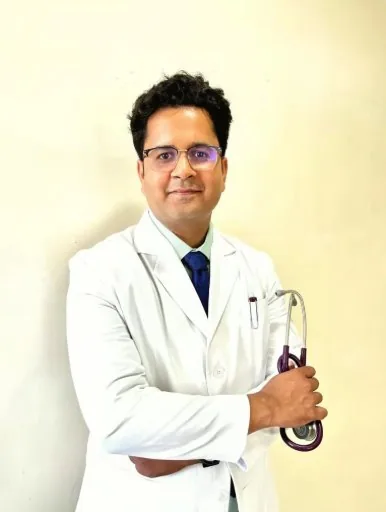
MBBS | MS (General Surgery) | MCh (Surgical Oncology) | FMAS | FICRS | Fellowship in Microvascular Surgery
Dr. Anand Karnawat is a Surgical Oncologist at Karnawat Cancer Hospital, Chh. Sambhajinagar. He specializes in the surgical management of complex cancers, with expertise in minimally invasive and robotic surgical techniques. His clinical focus includes gastrointestinal cancers, breast cancer, sarcomas and limb salvage surgeries. He is dedicated to providing precise, comprehensive and compassionate cancer care tailored to each patient’s needs.
Book a Surgical Oncology Consultation
Surgical oncology Cancer surgery
A surgical oncologist specialises in evaluating and treating cancer through surgical procedures. They may perform cancer removal surgery, diagnostic procedures, staging procedures, debulking surgery and selected palliative or reconstructive procedures.
No. Surgery is not required for every cancer patient. The treatment depends on the cancer type, stage, location, biological characteristics, overall health and response to other treatments.
Not always. Some procedures may be performed through minimally invasive techniques, while others may require open surgery. The complexity depends on the cancer and the procedure required.
Open surgery generally uses a larger incision to access the affected area. Minimally invasive surgery uses smaller incisions and specialised instruments. The most suitable approach depends on the cancer, procedure and patient condition.
No. Robotic surgery is suitable only for selected procedures and patients. The treating surgeon evaluates the cancer type, tumour location, surgical requirements and overall health before recommending an approach.
Yes. Depending on the cancer type and stage, chemotherapy or radiation therapy may be recommended before or after surgery. In some cases, multiple treatments are planned together as part of a multidisciplinary approach.
Recovery depends on the type of operation, surgical technique, overall health and whether complications occur. The treating team can provide a more specific recovery estimate after evaluating the individual case.
You may consult a surgical oncologist after a cancer diagnosis, when surgery has been suggested or when you need an opinion about whether a tumour may be surgically treated. A referral may also be recommended by another cancer specialist.
This page is for general information and does not replace a consultation. Treatment is decided by your oncologist after reviewing your reports.
Emergency & I.C.U. 24×7 · OPD 9 AM – 6 PM
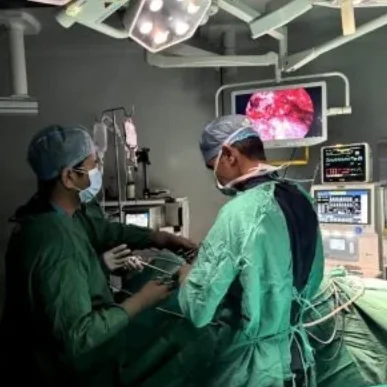
Cancer surgery is an important treatment option for many solid tumours, especially when the cancer is localized and can be safely removed.
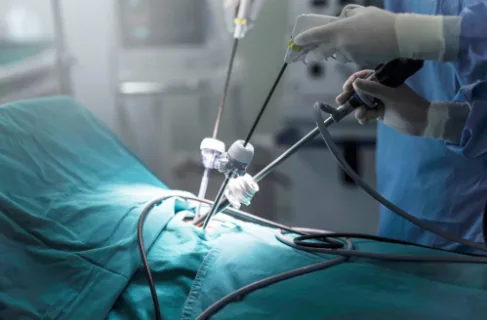
Minimally invasive cancer surgery through small incisions for selected patients.

Robotic cancer surgery is a minimally invasive approach in which a trained surgeon uses a computer-assisted robotic system to control…

Oncoplastic surgery combines cancer surgery with techniques that may help preserve appearance and function where medically appropriate.
Consultations, second opinions and treatment planning. Emergency and I.C.U. care 24 hours a day.
Share your details and our team will call you to confirm a time.