- OPD 9 AM – 6 PM · Emergency 24×7
- Mayur Nagar, N-11, CIDCO, Chhatrapati Sambhajinagar
Home › Medical oncology › Targeted Therapy
Targeted therapy is a type of cancer treatment that acts on specific molecules, genes or proteins involved in the growth, spread or survival of cancer cells.
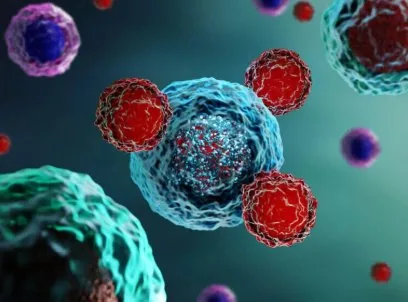
It is an important part of precision medicine, where treatment decisions are guided by the characteristics of an individual’s cancer.
Unlike conventional chemotherapy, which affects cells through mechanisms that can also affect some healthy rapidly dividing cells, targeted therapy is designed to act on particular biological targets. However, it can still affect healthy tissues and may cause side effects.
At Karnawat Cancer Hospital, targeted therapy treatment in Chh. Sambhajinagar is considered according to the patient’s cancer diagnosis, stage, tumour characteristics and relevant test results. A medical oncologist evaluates whether a suitable target is present and whether targeted therapy may be appropriate.
Targeted therapy uses medicines designed to interfere with specific processes that help cancer cells grow, divide, survive or spread.
Cancer develops through changes in genes and proteins that regulate cell behaviour. Some of these changes create targets that can be identified through pathology, biomarker or molecular testing.
When a suitable target is found, a targeted medicine may be considered to act on that specific pathway or protein.
Targeted therapy is not one single medicine. Different targeted treatments work in different ways and the treatment selected depends on the cancer type and the biological features of the tumour.
Targeted therapy may be used alone or alongside other treatments such as chemotherapy, immunotherapy, hormone therapy or radiation therapy, depending on the clinical situation.
Cancer cells often depend on particular signals or biological processes to grow and survive. Targeted therapy aims to interfere with these processes. Depending on the medicine, targeted therapy may work by:
The exact mechanism depends on the medicine and the target it is designed to affect. Targeted therapy does not work against every cancer. It is useful when the cancer has a relevant target and the selected medicine is appropriate for that clinical situation.
Targeted therapies can be grouped according to their structure and how they act on cancer-related targets.
Small-Molecule Drugs Small-molecule targeted medicines are designed to enter cells and interfere with specific proteins or signalling pathways involved in cancer growth. Many small-molecule targeted therapies are available as oral medicines, although the route of administration depends on the particular drug.
They may be used to block abnormal signals inside cancer cells or interfere with processes that support tumour growth.
Monoclonal Antibodies Monoclonal antibodies are laboratory-produced proteins designed to attach to specific targets on the surface of cancer cells or to proteins involved in cancer growth. Depending on the medicine, they may block growth signals, mark cancer cells for immune-system activity or interfere with other processes that support cancer. Many monoclonal antibody treatments are administered through intravenous infusion. Antibody–Drug Conjugates Antibody–drug conjugates combine an antibody that recognises a particular target with a cancer-killing drug.
The antibody is designed to bind to cells carrying the target and deliver the attached medicine. These treatments are used for selected cancers when the relevant target is present.
Angiogenesis Inhibitors Some targeted therapies interfere with angiogenesis, the process through which new blood vessels form.
Tumours may require blood vessels to receive oxygen and nutrients. Medicines that inhibit certain angiogenesis pathways may help slow tumour growth in appropriate clinical situations.
Signal-Transduction Inhibitors These medicines interfere with signals inside cancer cells that help regulate growth, division and survival.
Examples include treatments designed to act on specific kinase proteins or other signalling pathways involved in cancer.
The type of targeted therapy selected depends on the cancer and the molecular target identified.
Targeted therapy is not suitable for every cancer patient. It is generally considered when the cancer has a specific target that can be acted upon by an available treatment. A medical oncologist may consider: Type of cancer, Stage and extent of disease, Pathology findings, Genetic mutations or molecular alterations, Protein expression or other relevant biomarkers, Previous cancer treatments, Overall health, Organ function when relevant, Approved treatment indications, Treatment goals The presence of a target does not guarantee that a medicine will work. The treatment must also be appropriate for the cancer type, stage and individual clinical circumstances.
Targeted therapy is used in selected cases of several cancer types. Its suitability depends on the presence of a relevant target and the availability of an appropriate treatment.
Targeted therapy may be considered for selected breast cancers with specific characteristics, such as HER2-positive disease. The treatment depends on the cancer's biology, stage and previous treatment.
Targeted therapies may be used for certain non-small cell lung cancers when molecular testing identifies relevant alterations, such as EGFR, ALK, ROS1 or other actionable targets.
Targeted therapy may be considered for selected colorectal cancers based on molecular findings, including specific gene or protein characteristics.
Certain melanomas may carry molecular changes, such as BRAF alterations, that can be targeted with appropriate medicines.
Targeted therapies are used for selected blood cancers, including certain leukaemias and lymphomas. Treatment depends on the specific diagnosis and molecular or protein targets involved.
Targeted therapies may also be used for selected kidney cancers and other solid tumours. The choice depends on the cancer type, stage and treatment indication. The presence of a target does not automatically mean targeted therapy is the best option. Treatment decisions require an individual assessment.
Targeted therapy is designed to act on specific biological targets, but it can still affect healthy cells or normal body processes. Side effects vary considerably between medicines.
Possible side effects may include: Fatigue, Skin rash, Dry skin, Acne-like skin changes, Nail changes, Diarrhoea, Nausea, Reduced appetite, Mouth sores, High blood pressure with certain medicines, Changes in liver enzyme levels, Changes in blood counts, Delayed wound healing with certain treatments Some targeted therapies may cause side effects involving specific organs or body systems. The risks depend on the medicine, dose, treatment combination and individual health.
Targeted therapy requires more than the availability of a cancer medicine. Appropriate patient selection, diagnostic evaluation, treatment planning and monitoring are important parts of care.
Karnawat Cancer Hospital in Chh. Sambhajinagar provides oncology care with medical oncology services. Targeted therapy may be considered for eligible patients based on their cancer diagnosis, relevant test results and clinical assessment. A medical oncologist evaluates whether a suitable targeted treatment is appropriate for the individual patient.
Dr. Khushboo Jain Karnawat is a Medical Oncologist at Karnawat Cancer Hospital, Chh. Sambhajinagar. Her qualifications include MBBS, MD in Radiation Oncology, DM in Medical Oncology and DrNB in Medical Oncology.
Her practice includes medical oncology consultation and systemic cancer treatment based on individual patient requirements.
Patients seeking immunotherapy treatment in Chh. Sambhajinagar can consult a qualified medical oncologist to understand whether immunotherapy may be suitable for their specific diagnosis.
Book a Medical Oncology Consultation
Targeted therapy is used to act on specific molecules, genes or proteins involved in cancer growth or survival. It may be recommended when a relevant target is identified and an appropriate treatment is available.
No. Targeted therapy is designed to act on specific biological targets, while chemotherapy uses medicines that affect cancer cells through different mechanisms. Both treatments can have side effects and may sometimes be used together.
No. The need for biomarker testing depends on the cancer type, stage and treatment options being considered. Your medical oncologist can determine which tests may be relevant.
No. A mutation or biomarker may indicate that a targeted treatment could be considered, but response depends on several factors, including the specific cancer, medicine and clinical situation.
Targeted therapy may be used for selected advanced or metastatic cancers when a relevant target is present and an appropriate treatment is available.
Yes. Side effects vary by medicine and may include fatigue, skin changes, diarrhoea, high blood pressure, liver enzyme changes and other treatment-specific effects.
Treatment duration varies. Some targeted therapies are taken for an extended period, while others are administered in scheduled treatment cycles. The duration depends on the medicine, cancer type and treatment response.
Yes. Certain targeted therapies may be combined with chemotherapy, immunotherapy or other treatments. The combination depends on the cancer diagnosis and the treatment plan.
Inform your treating oncology team promptly. Your doctor can assess the symptoms and recommend appropriate treatment, monitoring or changes to the treatment plan.
This page is for general information and does not replace a consultation. Treatment is decided by your oncologist after reviewing your reports.
Emergency & I.C.U. 24×7 · OPD 9 AM – 6 PM

Medical oncology is a specialised branch of cancer care focused on the medical treatment and management of cancer.
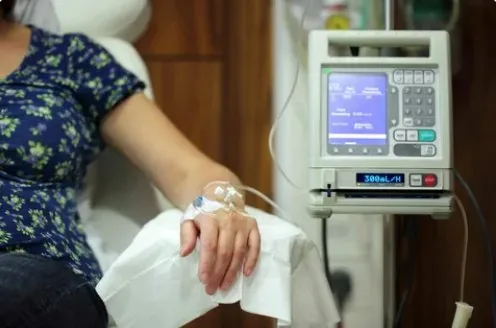
Chemotherapy is a type of cancer treatment that uses medicines to destroy cancer cells, slow their growth, or control the progression of…
Immunotherapy is a type of cancer treatment that helps the body’s immune system recognise and respond to cancer cells.

Hormone therapy, also called hormonal therapy or endocrine therapy, is a cancer treatment used for certain cancers that depend on hormones…
Consultations, second opinions and treatment planning. Emergency and I.C.U. care 24 hours a day.
Share your details and our team will call you to confirm a time.