- OPD 9 AM – 6 PM · Emergency 24×7
- Mayur Nagar, N-11, CIDCO, Chhatrapati Sambhajinagar
Home › Medical oncology › Chemotherapy
Chemotherapy is a type of cancer treatment that uses medicines to destroy cancer cells, slow their growth, or control the progression of cancer.
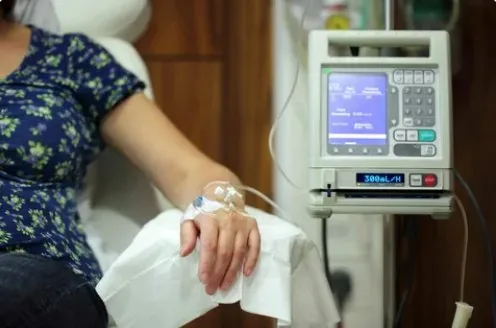
Depending on the type and stage of cancer, chemotherapy may be used alone or as part of a treatment plan that includes surgery, radiation therapy, or other systemic cancer treatments. At Karnawat Cancer Hospital, Chh. Sambhajinagar, a medical oncologist evaluates the patient’s cancer type, stage, overall health and other relevant factors before recommending whether chemotherapy is appropriate and which treatment approach may be most suitable.
Chemotherapy uses anticancer medicines that act on cells, particularly cells that are growing and dividing rapidly. Because many cancer cells divide more rapidly than normal cells, they can be affected by chemotherapy medicines.
However, some healthy cells also divide rapidly. This is one reason chemotherapy can cause side effects during treatment. The type and severity of side effects vary depending on the medicines used, the dose, the treatment schedule and the individual patient.
Chemotherapy is not one single medicine. Different chemotherapy drugs work in different ways and oncologists may use one medicine or a combination of medicines depending on the cancer being treated.
Cancer cells can grow and divide without normal control. Chemotherapy medicines are designed to interfere with processes that cancer cells need to grow, divide or survive. Depending on the medicine, chemotherapy may:
Some normal, rapidly dividing cells can also be affected, which can cause chemotherapy side effects. The specific effects depend on the medicine used and the patient’s cancer type and treatment plan.
Neoadjuvant chemotherapy is given before surgery in selected cancers. It may shrink or control the tumour, potentially making surgery more effective or helping achieve a planned surgical procedure.
Adjuvant chemotherapy is given after surgery when there is a risk of remaining cancer cells. It may help reduce the risk of cancer recurrence.
Concurrent chemotherapy is given alongside radiation therapy or other cancer treatments. The medicines, timing and combination depend on the cancer type and individual treatment plan.
Palliative chemotherapy may be used for advanced or metastatic cancer to control disease progression, reduce tumour burden, manage symptoms and support quality of life.
Chemotherapy can affect healthy cells as well as cancer cells, so side effects may occur. However, they vary from person to person depending on the medicines, dosage, treatment duration and overall health.
Common side effects of chemotherapy may include Fatigue, Nausea or vomiting, Reduced appetite, Hair loss, Mouth sores, Taste changes, Diarrhoea or constipation, Lower blood cell counts, Increased risk of infection, Skin or nail changes, Tingling or numbness with certain medicines Your oncology team monitors you throughout treatment and provides appropriate supportive care to help manage side effects.
Side effects should be discussed with your oncology team rather than managed through self-medication. Your doctor may recommend medicines, dietary changes, hydration, or other supportive care.
Inform your medical team promptly about concerning symptoms such as fever, signs of infection, severe vomiting, breathing difficulties, or unusual bleeding. Do not stop or change chemotherapy medicines without consulting your oncologist.
Choosing a chemotherapy hospital involves more than the availability of medicines. Cancer treatment requires accurate diagnosis, personalized treatment planning, monitoring and medical supervision.
Karnawat Cancer Hospital in Chh. Sambhajinagar provides comprehensive oncology care with medical oncology and other cancer treatment specialties. Chemotherapy is planned based on the patient’s diagnosis, cancer type, stage and individual treatment needs.
Cancer care may involve coordination between medical oncology, surgical oncology, radiation oncology and other specialists to support a comprehensive treatment approach.
Karnawat Cancer Hospital provides medical oncology services for patients requiring chemotherapy and other systemic cancer treatments.
Treatment is personalized based on the cancer type, stage, overall health and treatment goals. A medical oncology consultation is the first step to understand the most suitable treatment options.
Chemotherapy may be used to destroy or control cancer cells, reduce the risk of cancer returning, shrink tumours before surgery, control advanced cancer or manage cancer-related symptoms, depending on the clinical situation.
No. Chemotherapy is not appropriate for every cancer patient. The decision depends on the cancer type, stage, pathology, overall health and treatment goals.
No. Hair loss depends on the chemotherapy medicines being used. Some medicines may cause significant hair loss, while others may cause little or no hair loss.
Treatment duration varies. Some chemotherapy sessions may take several hours, while treatment is usually organised into cycles over a longer period. The schedule depends on the medicines and the individual treatment plan.
The chemotherapy medicine itself is not necessarily painful. If chemotherapy is given intravenously, inserting the IV line or accessing a port may cause temporary discomfort. Patients should inform the medical team if they experience pain or unusual symptoms during treatment.
Yes. Depending on the cancer, chemotherapy may be combined with surgery, radiation therapy or other systemic treatments such as targeted therapy or immunotherapy.
Inform your treating oncology team. Do not assume that severe symptoms are a normal part of treatment. Your medical team can assess the symptoms and recommend appropriate management.
Chemotherapy can contribute to curative treatment for some cancers, but it is not a cure for every cancer. Its purpose depends on the type and stage of cancer and the overall treatment plan.
This page is for general information and does not replace a consultation. Treatment is decided by your oncologist after reviewing your reports.
Emergency & I.C.U. 24×7 · OPD 9 AM – 6 PM

Medical oncology is a specialised branch of cancer care focused on the medical treatment and management of cancer.
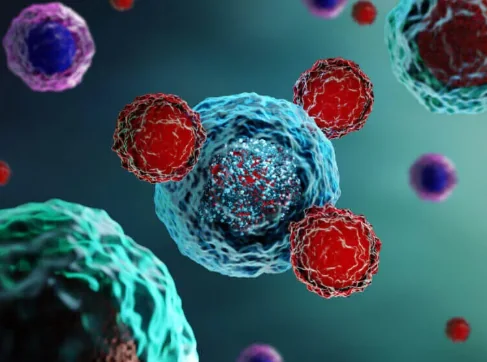
Immunotherapy is a type of cancer treatment that helps the body’s immune system recognise and respond to cancer cells.
Targeted therapy is a type of cancer treatment that acts on specific molecules, genes or proteins involved in the growth, spread or…

Hormone therapy, also called hormonal therapy or endocrine therapy, is a cancer treatment used for certain cancers that depend on hormones…
Consultations, second opinions and treatment planning. Emergency and I.C.U. care 24 hours a day.
Share your details and our team will call you to confirm a time.