- OPD 9 AM – 6 PM · Emergency 24×7
- Mayur Nagar, N-11, CIDCO, Chhatrapati Sambhajinagar
Endoscopy is a minimally invasive procedure that allows doctors to examine the inside of the body using a thin tube called an endoscope.
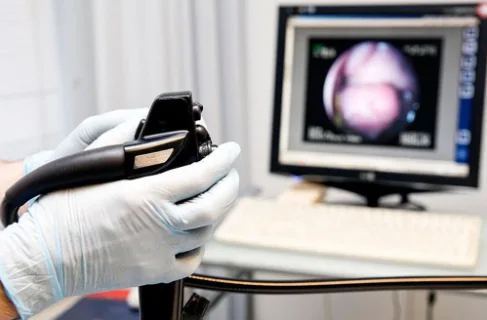
The endoscope has a light and camera that transmit images to a monitor, helping the doctor examine internal structures directly.
Depending on the type of endoscopy, doctors may use the procedure to investigate symptoms, identify abnormalities, take a biopsy, assess the extent of a disease or perform certain treatments.
At Karnawat Cancer Hospital, endoscopy is part of the diagnostic and surgical oncology services used in the evaluation of selected cancer-related conditions. The hospital currently lists upper GI endoscopy, colonoscopy, bronchoscopy, endoscopic biopsy, endoscopic ultrasound and therapeutic endoscopy among its endoscopic services.
An endoscopy is a medical procedure used to look inside the body with an endoscope. An endoscope is a long, thin instrument fitted with a light and camera. Depending on the procedure, it may be passed through a natural body opening such as the mouth or rectum or through a small incision.
The images from the camera are displayed on a screen, allowing the doctor to examine the area being investigated.
Endoscopy can be used for both diagnosis and treatment. During some procedures, small instruments can be passed through the endoscope to take tissue samples, remove certain abnormal growths, control bleeding or perform other selected treatments.
Endoscopy is a medical procedure used to examine the inside of the body and investigate symptoms or abnormal test results. It is commonly used to examine the oesophagus, stomach, small intestine, colon, rectum or airways, depending on the type of endoscopy.
Doctors may recommend endoscopy to investigate digestive symptoms, bleeding, difficulty swallowing, ulcers, inflammation, polyps, abnormal growths or findings seen on scans. During the procedure, doctors may also take a biopsy, remove certain polyps or perform minor treatments when appropriate.
Having an endoscopy does not necessarily mean you have cancer. It is used to diagnose and evaluate many conditions, including non-cancerous problems. The need for endoscopy depends on your symptoms, medical history, examination and other test results.
Does Endoscopy Mean Cancer?
Not necessarily. An endoscopy is commonly used to investigate a wide range of conditions, many of which are non-cancerous. Your doctor may recommend the procedure based on your symptoms, medical history, examination and other test results.
Endoscopy can play an important role in the evaluation of certain cancers because it allows doctors to directly examine the affected area and, when appropriate, obtain tissue for laboratory testing.
For example, upper GI endoscopy may help evaluate abnormalities in the oesophagus, stomach and duodenum. Colonoscopy can examine the colon and rectum and may allow removal of polyps or collection of tissue samples.
Bronchoscopy can be used to examine the airways and may help obtain samples when a lung or airway abnormality requires further investigation. A biopsy obtained during endoscopy is examined by a pathologist. The biopsy result, together with imaging and other clinical information, helps the oncology team establish the diagnosis and plan further treatment.
There are different types of endoscopy depending on the organ or area that needs to be examined.
Upper GI endoscopy is a procedure used to look at the oesophagus, stomach and duodenum. Doctors may recommend it to understand symptoms such as swallowing problems, vomiting, bleeding, or ongoing upper abdominal discomfort.
A colonoscopy allows a doctor to examine the rectum and colon using a flexible camera. It may be recommended for rectal bleeding, changes in bowel habits, persistent diarrhoea, abdominal symptoms or suspected bowel problems.
Bronchoscopy allows a doctor to gently examine the breathing passages and lungs using a specialised camera. It may be recommended for a persistent cough, blood in sputum, unusual chest scan findings, or suspected airway conditions.
During some endoscopy procedures, the doctor may take a small tissue sample from an area that needs closer examination. The sample is examined in a laboratory to better understand the underlying condition.
Endoscopic ultrasound, or EUS, combines a small camera with ultrasound imaging. It helps doctors examine areas around the digestive tract, including the pancreas and nearby lymph nodes and may guide tissue sampling when needed.
Endoscopy can sometimes be used not only to diagnose a condition but also to treat it. Depending on the situation, doctors may remove polyps, control bleeding, widen narrowed areas, remove objects, or place stents.
Before the procedure, your doctor reviews your symptoms, medical history, medicines, allergies and previous test results. Tell your medical team about all medicines you take, especially blood thinners.
Preparation depends on the type of endoscopy. Upper GI endoscopy usually requires fasting, while colonoscopy generally requires bowel preparation. Follow the specific instructions provided by your healthcare team.
You will be placed in a comfortable and appropriate position for the procedure. The position may vary depending on the type of endoscopy being performed.
Sedation or anaesthesia may be given to help you stay comfortable. The medication used depends on the procedure and your overall health. General anaesthesia is not always necessary.
The doctor gently guides the endoscope through the appropriate route—usually the mouth for upper GI endoscopy, anus for colonoscopy or mouth or nose for bronchoscopy.
A camera on the endoscope provides clear, real-time images on a monitor. The doctor carefully examines the area for any abnormalities or changes that may require further attention.
If needed, the doctor may take a small tissue sample or perform certain treatments through the endoscope. These procedures are generally performed with appropriate medication to minimise discomfort.
After the examination or treatment is completed, the doctor carefully removes the endoscope.
After the procedure, you are monitored while the effects of sedation wear off. If sedation was used, you may need someone to take you home and follow specific recovery instructions.
It’s completely normal to feel a little worried about whether an endoscopy will hurt. In most cases, the procedure is designed to keep you as comfortable as possible. The amount of discomfort can vary depending on the type of endoscopy and whether sedation or anaesthesia is used. You may feel some pressure, bloating, mild cramping, or temporary throat discomfort.
Your doctor will explain what to expect beforehand and discuss any sedation or anaesthesia that may be used to help make the procedure more comfortable.
Most people recover from endoscopy without any serious problems. However, it’s normal to experience some mild and temporary side effects, depending on the type of procedure and medication used.
After an upper GI endoscopy, you may notice some mild throat irritation or soreness. This usually settles on its own within a short time.
Air may be introduced during some digestive endoscopic procedures, which can leave you feeling bloated or cause temporary gas afterward.
After procedures involving the intestine, some people may experience mild abdominal cramps or discomfort. This generally improves as the body returns to normal.
Some patients may feel mildly nauseous after the procedure. This can sometimes be related to the sedation or anaesthesia used.
If sedation or anaesthesia was given, you may feel sleepy, tired or less alert for a while afterward. Follow your doctor’s advice about driving and other activities. These effects are usually temporary and improve during recovery. Your healthcare team will explain what to expect and when to seek medical attention.
Patients searching for an endoscopy hospital in Sambhajinagar should consider whether the hospital can provide the specific procedure recommended for their condition and whether biopsy, pathology, anaesthesia support and follow-up care are available when required.
Karnawat Cancer Hospital is located in K Sector, Mayur Nagar, N-11, CIDCO, Chh. Sambhajinagar and provides cancer-focused surgical, medical and radiation oncology services. Its current website lists endoscopy as one of its services. Frequently Asked Questions About Endoscopy
Endoscopy is a medical procedure that uses a camera-equipped instrument called an endoscope to examine structures inside the body.
Endoscopy may be performed to investigate symptoms, identify abnormalities, take biopsies, screen for selected conditions or perform certain treatments.
The doctor gently guides an endoscope through the appropriate body opening or, for certain procedures, through a small incision. A camera provides images on a monitor for examination.
Many endoscopic procedures use sedation or anaesthesia to improve comfort. You may experience temporary pressure, bloating, cramps or throat discomfort depending on the procedure.
Temporary side effects can include sore throat, bloating, abdominal cramps, nausea and drowsiness. More serious complications are uncommon but can occur and depend on the procedure.
Endoscopy can identify suspicious abnormalities and can allow tissue to be collected for biopsy. A cancer diagnosis generally requires pathology along with the clinical and imaging findings.
Yes. When appropriate, small tissue samples can be collected through the endoscope and sent for histopathological examination.
No. The type of sedation or anaesthesia depends on the procedure, the patient and the medical team’s assessment.
Preparation depends on the procedure. You may need to fast, complete bowel preparation or adjust certain medicines according to your doctor’s instructions.
The duration varies according to the type and complexity of the procedure. Your doctor can explain the expected duration during the pre-procedure consultation.
An endoscopy may be considered when you have persistent symptoms, abnormal test results or a clinical condition that requires direct examination or tissue sampling. Your doctor can determine whether it is appropriate.
This page is for general information and does not replace a consultation. Treatment is decided by your oncologist after reviewing your reports.
Emergency & I.C.U. 24×7 · OPD 9 AM – 6 PM

When a scan, examination or other test shows an abnormal area, your doctor may recommend a biopsy to understand what is causing the change.

Cancer screening helps identify certain cancers or precancerous changes before symptoms appear.

Learn how this treatment is planned and delivered at Karnawat Cancer Hospital.

Cancer surgery is an important treatment option for many solid tumours, especially when the cancer is localized and can be safely removed.
If your doctor has recommended an endoscopy or you need further evaluation of an abnormal finding, consult a qualified medical team before the procedure. At Karnawat Cancer Hospital, patients can discuss their symptoms, reports and treatment requirements with the oncology team and understand whether an endoscopic procedure may be appropriate. Contact Karnawat Cancer Hospital in Chh. Sambhajinagar to discuss your endoscopy and cancer diagnostic requirements.
Share your details and our team will call you to confirm a time.