- OPD 9 AM – 6 PM · Emergency 24×7
- Mayur Nagar, N-11, CIDCO, Chhatrapati Sambhajinagar
Home › Surgical oncology › Oncoplastic Surgery
Oncoplastic surgery combines cancer surgery with techniques that may help preserve appearance and function where medically appropriate.

It is commonly used in selected breast cancer surgeries, particularly breast-conserving procedures. Similar tissue-preserving or reconstructive techniques may also be considered for certain head and neck, skin and soft-tissue cancers. At Karnawat Cancer Hospital in Chh. Sambhajinagar, the surgical approach is planned based on the cancer type, location, extent and the patient’s overall health. The primary focus remains appropriate cancer treatment, with preservation of appearance and function considered where feasible.
Oncoplastic surgery combines cancer removal with techniques that may help preserve, reshape or restore tissue where medically appropriate.
The approach focuses on appropriate removal of cancerous tissue while considering the preservation or restoration of appearance and function where medically appropriate. In breast cancer, this may involve reshaping breast tissue after tumour removal. For selected head and neck, skin and soft-tissue cancers, tissue-preserving or reconstructive techniques may also be considered.
The surgical approach depends on the type, location and extent of cancer and cannot be determined by symptoms alone.
At Karnawat Cancer Hospital in Chh. Sambhajinagar, surgical treatment is planned according to the patient’s cancer diagnosis and individual needs. The team may evaluate selected cancers of the breast, head and neck, skin and soft tissues. Treatment focuses on cancer control while considering preservation of appearance and function where medically appropriate.
For selected breast cancer patients, oncoplastic techniques may be considered when breast surgery involves tissue reshaping. For certain head and neck, skin and soft-tissue cancers, reconstructive or tissue-preserving approaches may also be considered based on the surgical requirements.
Oncoplastic surgery requires careful planning before the procedure.
The confirmed diagnosis and pathology findings help determine the appropriate treatment approach.
Imaging and other investigations help establish the extent of the cancer and whether surgery is appropriate.
The location of the tumour influences how much tissue needs to be removed and how surgery may affect appearance or function.
The surgeon must remove the tumour appropriately while achieving the required margins according to the cancer type and treatment plan.
Medical conditions, nutrition, previous treatment and other health factors may influence surgical planning and healing.
Chemotherapy, radiation therapy or other treatments may be required before or after surgery and can influence the timing and type of oncoplastic procedure.
Oncoplastic surgery combines cancer surgery with techniques intended to preserve or restore appearance and function. It is most commonly associated with breast cancer surgery.
Oncoplastic breast surgery combines removal of breast cancer with techniques that reshape or preserve the breast when clinically appropriate.
Oncoplastic principles such as tissue preservation and reconstruction may be incorporated into selected head and neck cancer surgeries. The exact procedure depends on the location and extent of the cancer.
For selected skin cancers, particularly those affecting visible or functionally important areas, surgical planning may consider tissue preservation and reconstruction following cancer removal.
Selected soft-tissue cancers may require reconstructive or function-preserving techniques after tumour removal. The approach depends on the size and location of the tumour and the structures involved.
No. Suitability depends on the tumour, breast anatomy, cancer stage, treatment requirements, overall health and the ability to achieve appropriate cancer removal.
No. Oncoplastic surgery is a surgical approach. Patients may still require chemotherapy, radiation therapy, hormonal therapy, targeted therapy or immunotherapy depending on their diagnosis.
No. The aim is to preserve or improve appearance and function where possible, but the result depends on the extent of cancer removal, healing, treatment and individual anatomy.
Medical Disclaimer The information on this page is for general educational purposes. Oncoplastic surgery is not appropriate for every patient. Treatment decisions depend on the cancer type, stage, tumour characteristics, overall health and specialist assessment. This information does not replace medical diagnosis or personalised treatment advice.
This page is for general information and does not replace a consultation. Treatment is decided by your oncologist after reviewing your reports.
Emergency & I.C.U. 24×7 · OPD 9 AM – 6 PM

Cancer surgery is an important treatment option for many solid tumours, especially when the cancer is localized and can be safely removed.
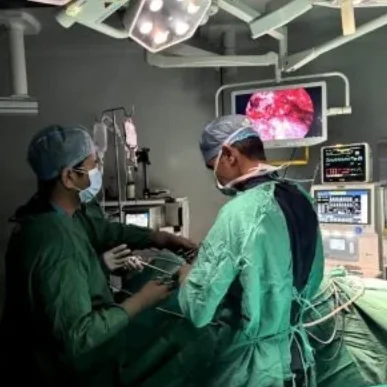
Cancer surgery is an important treatment option for many solid tumours, especially when the cancer is localized and can be safely removed.
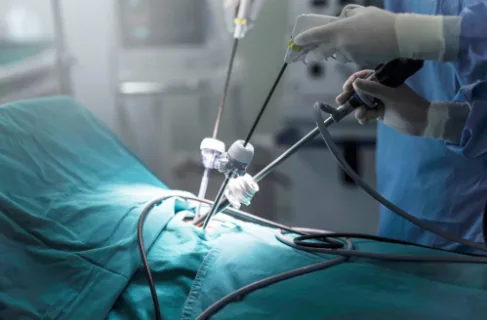
Minimally invasive cancer surgery through small incisions for selected patients.

Robotic cancer surgery is a minimally invasive approach in which a trained surgeon uses a computer-assisted robotic system to control…
Consultations, second opinions and treatment planning. Emergency and I.C.U. care 24 hours a day.
Share your details and our team will call you to confirm a time.