- OPD 9 AM – 6 PM · Emergency 24×7
- Mayur Nagar, N-11, CIDCO, Chhatrapati Sambhajinagar
Home › Medical oncology › Immunotherapy
Immunotherapy is a type of cancer treatment that helps the body’s immune system recognise and respond to cancer cells.
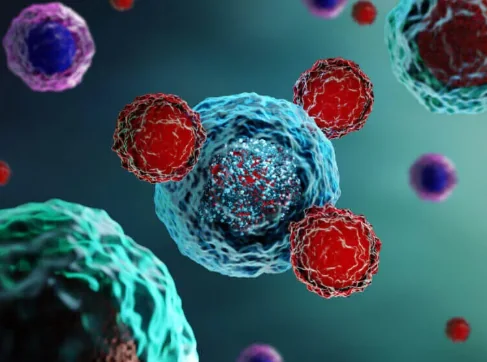
Unlike treatments that directly target cancer cells, immunotherapy works by supporting or modifying immune responses against cancer.
It is an important treatment option for selected cancers, but it is not suitable for every patient. The decision to recommend immunotherapy depends on the type and stage of cancer, tumour characteristics, relevant test results and the patient’s overall health. At Karnawat Cancer Hospital, immunotherapy treatment in Chh. Sambhajinagar is considered as part of an individualised cancer treatment plan. A medical oncologist evaluates the diagnosis and available clinical information before determining whether immunotherapy may be appropriate.
Immunotherapy is a cancer treatment that uses medicines or other approaches to help the immune system identify, attack or control cancer cells.
The immune system naturally protects the body from infections and abnormal cells. However, cancer cells can sometimes avoid immune detection or interfere with immune responses. Some immunotherapy medicines work by helping the immune system recognise cancer cells more effectively.
Immunotherapy does not work in the same way as chemotherapy. Chemotherapy directly affects cancer cells through specific medicines, while immunotherapy works through the immune system. Depending on the cancer, these treatments may sometimes be used separately or in combination.
Immunotherapy is not a universal treatment for all cancers. Its potential benefit depends on the cancer type, tumour biology and other clinical factors.
The immune system contains cells and proteins that help identify and respond to abnormal cells. Cancer cells may develop ways to avoid this response or reduce immune activity around the tumour.
Some immunotherapy medicines help overcome these barriers.
For example, certain cancer cells use immune checkpoint pathways to prevent immune cells from attacking them. Immune checkpoint inhibitors block specific checkpoint proteins, allowing immune cells to remain active against cancer cells in appropriate situations.
Other immunotherapy approaches may work by:
The mechanism depends on the type of immunotherapy used. Not every immunotherapy medicine works for every cancer and treatment selection requires specialist assessment.
Immunotherapy includes several treatment approaches. The type recommended depends on the cancer diagnosis and the treatment’s clinical suitability.
Immune checkpoint inhibitors block proteins involved in regulating immune responses. Some cancers use these checkpoint pathways to avoid attack by immune cells.
By blocking selected checkpoints, these medicines may help the immune system respond to cancer cells.
Examples of checkpoint targets include:
Checkpoint inhibitors are used for selected cancers and may be considered based on cancer type, stage and relevant clinical or biomarker information.
Monoclonal antibodies are laboratory-produced proteins designed to bind to specific targets. Some monoclonal antibodies help the immune system identify cancer cells, while others interfere with signals involved in cancer growth. Not all monoclonal antibodies are classified as immunotherapy in the same way. Their role depends on the medicine and its mechanism of action.
Some therapeutic cancer vaccines are designed to stimulate an immune response against cancer-related targets. These are different from vaccines used to prevent infections.
Their availability and use depend on the cancer type and the specific treatment.
Adoptive cell therapy involves using immune cells to help fight cancer. In certain treatments, immune cells may be collected, modified or expanded in a laboratory and then returned to the patient.
CAR T-cell therapy is one example of an adoptive cell therapy used for selected blood cancers. Its suitability depends on the diagnosis and specialist evaluation.
Some medicines work by stimulating or modifying immune activity. Their use depends on the specific cancer and the treatment approach.
Your medical oncologist can explain which type of immunotherapy, if any, may be appropriate for your diagnosis.
Immunotherapy isn’t a one-size-fits-all cancer treatment. A medical oncologist carefully evaluates the complete clinical picture to determine if it is the right approach for a specific patient. Key considerations include the cancer’s type, stage and extent, alongside pathology findings, previous treatments and overall health—particularly organ function and any pre-existing autoimmune conditions. Tumour characteristics and specific tests, such as PD-L1 or other biomarker assessments, often help pinpoint whether a particular immunotherapy medicine is likely to respond. However, even a positive biomarker result isn’t a guarantee of success. Treatment decisions always depend on weighing these specialized test results against a patient’s overall health and personal treatment goals.
Immunotherapy is used in selected cases of several cancer types. Depending on the medicine, stage and treatment indication, it may be considered for cancers such as: Lung cancer, Breast cancer in selected clinical situations, Head and neck cancers, Kidney cancer, Bladder and urinary tract cancers, Melanoma, Colorectal cancer with selected molecular characteristics, Stomach and oesophageal cancers, Liver cancer, Cervical cancer, Endometrial cancer, Certain blood cancers, Other cancers for which immunotherapy is an established treatment option The availability and suitability of immunotherapy differ between cancer types. Not every patient with one of these cancers will benefit from immunotherapy. A medical oncologist reviews the diagnosis and relevant test results before recommending treatment.
Immunotherapy may be used at different stages of cancer care, depending on the cancer and the medicine being considered.
It may be recommended:
The purpose of immunotherapy may be to treat cancer, reduce the risk of recurrence, control disease progression or manage advanced cancer.
The treatment goal depends on the individual diagnosis and should be discussed with the treating oncology team.
Many immunotherapy medicines are administered through an intravenous infusion. Some treatments may be given through other routes depending on the medicine and its approved use.
The treatment schedule varies. Some immunotherapy medicines are given at intervals of a few weeks, while others follow different schedules.
Before each treatment, the medical team may review:
The treatment schedule and duration are determined by the medical oncologist based on the medicine, cancer type and individual treatment plan.
Immunotherapy side effects can differ from those commonly associated with chemotherapy. Because immunotherapy affects the immune system, it may sometimes cause the immune system to react against healthy tissues.
Common or possible side effects include:
Fatigue, Skin rash, Itching, Diarrhoea, Nausea, Reduced appetite, Fever, Joint or muscle pain, Infusion-related reactions
Some patients may develop immune-related side effects, which can affect organs such as:
Skin, Bowel, Liver, Lungs, Thyroid and other hormone-producing glands, Kidneys, Nervous system, Heart, less commonly The type and severity of side effects vary depending on the medicine and the individual patient. Some immune-related side effects can be serious and require prompt medical attention.
Immunotherapy treatment requires appropriate patient selection, treatment planning and medical monitoring. The availability of a medicine alone does not determine whether it is suitable for a particular patient.
Karnawat Cancer Hospital in Chh. Sambhajinagar provides oncology care with medical oncology services. Immunotherapy may be considered for eligible patients based on their diagnosis, treatment history and clinical assessment.
A medical oncologist evaluates the patient’s condition before recommending whether immunotherapy is appropriate.
Dr. Khushboo Jain Karnawat is a Medical Oncologist at Karnawat Cancer Hospital, Chh. Sambhajinagar. Her qualifications include MBBS, MD in Radiation Oncology, DM in Medical Oncology and DrNB in Medical Oncology.
Her practice includes medical oncology consultation and systemic cancer treatment based on individual patient requirements.
Patients seeking immunotherapy treatment in Chh. Sambhajinagar can consult a qualified medical oncologist to understand whether immunotherapy may be suitable for their specific diagnosis.
Book a Medical Oncology Consultation
Immunotherapy is used to help the immune system recognise or respond to cancer cells. It may be used to treat selected cancers, reduce the risk of recurrence or control advanced cancer, depending on the treatment and clinical situation.
No. Immunotherapy is not suitable for every patient. Its use depends on the cancer type, stage, tumour characteristics, relevant test results and the patient’s overall health.
No. Chemotherapy uses medicines that directly act on cancer cells through specific mechanisms. Immunotherapy works by helping or modifying the immune system’s response to cancer. Some patients may receive both treatments.
Yes. Immunotherapy can cause side effects, including fatigue, rash, diarrhoea and infusion reactions. It can also cause immune-related side effects that affect healthy organs and may require prompt medical treatment.
The duration varies according to the medicine, cancer type, treatment goal and response to therapy. Some patients receive treatment over several months, while others may have a different schedule.
Immunotherapy may be used for selected advanced or metastatic cancers. Its suitability and expected benefit depend on the cancer type, tumour characteristics and the patient’s clinical condition.
PD-L1 is a protein involved in regulating immune responses. In some cancers, PD-L1 testing may help inform whether certain immune checkpoint inhibitors are appropriate. The significance of the result depends on the cancer and the specific treatment being considered.
Yes. Immunotherapy may be combined with chemotherapy or other treatments for selected cancers. The combination depends on the diagnosis and the treatment plan recommended by the medical oncology team.
Inform your treating oncology team promptly. Do not assume that symptoms are harmless or manage significant symptoms through self-medication. Some immune-related side effects require early assessment and treatment.
This page is for general information and does not replace a consultation. Treatment is decided by your oncologist after reviewing your reports.
Emergency & I.C.U. 24×7 · OPD 9 AM – 6 PM

Medical oncology is a specialised branch of cancer care focused on the medical treatment and management of cancer.
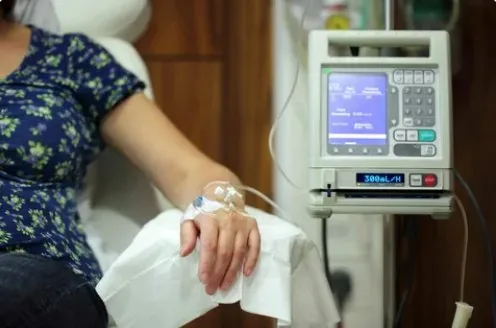
Chemotherapy is a type of cancer treatment that uses medicines to destroy cancer cells, slow their growth, or control the progression of…
Targeted therapy is a type of cancer treatment that acts on specific molecules, genes or proteins involved in the growth, spread or…

Hormone therapy, also called hormonal therapy or endocrine therapy, is a cancer treatment used for certain cancers that depend on hormones…
Consultations, second opinions and treatment planning. Emergency and I.C.U. care 24 hours a day.
Share your details and our team will call you to confirm a time.