- OPD 9 AM – 6 PM · Emergency 24×7
- Mayur Nagar, N-11, CIDCO, Chhatrapati Sambhajinagar
Home › Surgical oncology › Robotic Cancer Surgery
Robotic cancer surgery is a minimally invasive approach in which a trained surgeon uses a computer-assisted robotic system to control specialised instruments through small incisions.

At Karnawat Cancer Hospital in Chh. Sambhajinagar, robotic surgical oncology should be considered for selected patients based on the type and stage of cancer, tumour location, overall health and complexity of the planned procedure. Robotic surgery is not suitable for every cancer or patient. Depending on the individual clinical circumstances, laparoscopic or open surgery may be more appropriate. The primary goal of cancer surgery is to provide appropriate tumour treatment while prioritising cancer control, patient safety, preservation of function and recovery.
Robotic cancer surgery is a minimally invasive approach that uses a robotic-assisted surgical system to help surgeons perform precise procedures. The surgeon controls the instruments from a console while viewing the surgical area through a high-definition camera.
The robot does not perform surgery independently. The surgeon remains fully responsible for planning and controlling the procedure, while the robotic system translates their hand movements into precise instrument movements inside the body. The robotic system may provide:
Robotic-assisted cancer surgery generally involves the following steps: Preoperative Assessment The medical team reviews the diagnosis, biopsy, imaging, cancer stage, medical history and anaesthesia fitness. The surgeon evaluates tumour location, nearby structures, previous treatments and the most appropriate surgical approach. Placement of Surgical Instruments After administering anaesthesia, the surgeon makes small incisions where appropriate. A high-definition camera and specialised robotic instruments are carefully inserted through these openings.
Surgeon-Controlled Procedure The surgeon views the surgical area through the camera and controls the robotic instruments from a console. The system supports precise movements and visualisation but does not operate independently.
Removal and Examination of Tissue Depending on the procedure, the surgeon removes the tumour along with surrounding tissue or nearby lymph nodes when necessary. Removed tissue is then sent for pathological examination.
Postoperative Monitoring After surgery, the patient is monitored during recovery. Care may include pain management, wound care, nutrition, mobility support and follow-up based on the procedure and individual condition.
For some cancer procedures, robotic-assisted surgery may offer benefits associated with minimally invasive surgery. These can include smaller incisions, less damage to nearby tissues, reduced blood loss, less postoperative discomfort and a lower risk of certain wound complications. Some patients may also have a shorter hospital stay and return to normal activities sooner. Robotic systems can provide surgeons with enhanced visualisation and precise instrument movement, which may be helpful when operating in confined areas. However, these benefits depend on the type of cancer and procedure, the patient’s overall health and the surgeon’s experience. In some cases, robotic surgery may also take longer due to equipment setup and technical requirements.
Robotic-assisted surgery may be used for selected procedures involving certain solid tumours. Its use depends on the cancer type, stage, tumour location and whether the tumour can be safely removed.
Possible areas where robotic-assisted techniques may be considered include:
Robotic-assisted colorectal surgery may be considered for selected colon and rectal cancer procedures. The surgical plan depends on tumour location, cancer stage, lymph node involvement and the need to preserve bowel function.
Robotic-assisted radical prostatectomy may be used in selected patients with prostate cancer. The decision depends on the cancer’s risk category, stage, patient health and available treatment options.
Robotic-assisted procedures may be considered for selected gynaecological conditions and cancer-related surgeries, depending on the type and stage of disease.
Selected kidney or urinary tract procedures may be performed using robotic-assisted techniques when the patient and tumour characteristics are suitable.
Some gastrointestinal procedures may be performed using robotic assistance in appropriately selected cases. The suitability of this approach depends on the organ involved, tumour extent and surgical complexity.
Robotic-assisted surgery may be considered for certain other solid tumours. However, not all cancers are suitable for robotic treatment and robotic surgery is not generally the primary treatment for most blood cancers such as leukaemia. The final decision must be made after a specialist evaluation and review of the patient’s diagnostic reports.
Karnawat Cancer Hospital in Chh. Sambhajinagar provides specialised cancer care and evaluates treatment options according to each patient’s diagnosis and clinical requirements.
Robotic-assisted cancer surgery, where clinically available and appropriate, should be considered after assessment by a qualified surgical oncologist. The treatment team evaluates whether robotic, laparoscopic or open surgery is the most suitable approach for the patient.
The cancer care plan may also involve medical oncology, radiation oncology, pathology, radiology, anaesthesia and supportive care, depending on the diagnosis and treatment requirements. following documents for consultation:
Robotic cancer surgery is a surgeon-controlled minimally invasive approach that uses a robotic-assisted system to control specialised instruments during selected cancer procedures.
No. The surgeon controls the robotic system throughout the procedure. The robot does not independently make decisions, diagnose cancer or perform surgery without the surgeon’s direction.
No. Robotic surgery is used for selected procedures and cancers, mainly when the tumour and patient characteristics make the approach appropriate. It is not suitable for every cancer.
Not in every case. Robotic surgery may offer benefits for selected procedures, but open surgery may be more appropriate for certain complex or extensive cancers.
Robotic-assisted surgery can be an appropriate option for selected patients when performed by a trained surgical team. However, it carries risks similar to other surgical procedures and safety depends on the patient, procedure and clinical circumstances.
Robotic technology itself does not cure cancer. The outcome depends on the cancer type, stage, tumour biology, completeness of treatment and other medical factors. Robotic surgery may be used as one part of a cancer treatment plan.
Robotic-assisted surgery is generally performed using small incisions, but the surgical approach depends on the procedure. In some cases, conversion to open surgery may be necessary for safety or cancer treatment requirements.
Recovery varies according to the type of operation, cancer stage, general health and postoperative progress. The surgeon can provide an individual recovery estimate after evaluating the patient.
A surgical oncologist must review your diagnosis, imaging, cancer stage, overall health and the planned procedure. Suitability cannot be confirmed through symptoms or an online form alone.
This page is for general information and does not replace a consultation. Treatment is decided by your oncologist after reviewing your reports.
Emergency & I.C.U. 24×7 · OPD 9 AM – 6 PM

Cancer surgery is an important treatment option for many solid tumours, especially when the cancer is localized and can be safely removed.
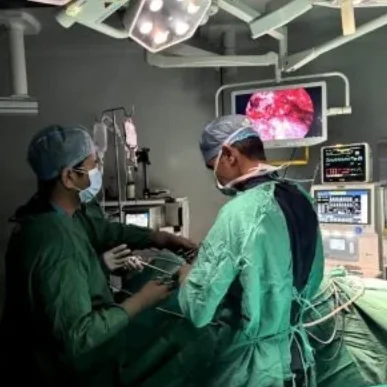
Cancer surgery is an important treatment option for many solid tumours, especially when the cancer is localized and can be safely removed.
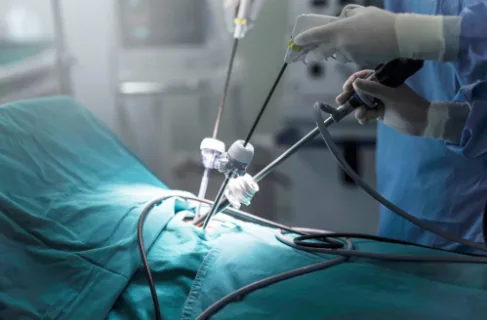
Minimally invasive cancer surgery through small incisions for selected patients.

Oncoplastic surgery combines cancer surgery with techniques that may help preserve appearance and function where medically appropriate.
If you have been diagnosed with cancer or have been advised to undergo cancer surgery, consult a surgical oncologist to understand your treatment options. The specialist can assess whether robotic-assisted surgery, laparoscopic surgery or open surgery is appropriate for your condition and explain the expected benefits, risks and alternatives.
Share your details and our team will call you to confirm a time.