- OPD 9 AM – 6 PM · Emergency 24×7
- Mayur Nagar, N-11, CIDCO, Chhatrapati Sambhajinagar
Home › Diagnosis
When a scan, examination or other test shows an abnormal area, your doctor may recommend a biopsy to understand what is causing the change.

A cancer biopsy involves removing a small sample of cells or tissue so it can be examined in a laboratory.
A biopsy is an important part of diagnosing many cancers. However, cancer diagnosis is not based on biopsy alone. Doctors may consider symptoms, physical examination, blood tests, imaging scans, biopsy findings and other investigations together. In many cases, a biopsy is the most definitive way to determine whether abnormal tissue is cancerous.
At Karnawat Cancer Hospital in Chh. Sambhajinagar, patients can discuss suspicious findings, biopsy requirements and further cancer diagnosis with an oncology team.
A cancer biopsy is a medical procedure in which a doctor removes a small sample of cells or tissue from an area that requires further examination. The sample is then sent to a pathology laboratory, where a pathologist examines it under a microscope. Additional tests may also be performed when necessary to provide more detailed information about the abnormal tissue.
A biopsy can help determine whether the tissue is cancerous or non-cancerous, identify the type of cancer and assess certain characteristics and the tumour grade in appropriate cancers. It may also help determine whether additional biomarker or molecular testing is needed. The pathology report provides important information that helps doctors confirm the diagnosis and plan the most appropriate treatment.
The biopsy method selected depends on the location, depth, size and accessibility of the suspicious area, as well as the specific diagnostic details your doctor needs.
A needle is inserted to collect cell or tissue samples. Techniques include fine-needle aspiration, core needle, vacuum-assisted and image-guided (ultrasound, CT or MRI) biopsies.
Specialized instruments are passed through a flexible endoscope to collect internal tissue samples during procedures like upper GI endoscopy, colonoscopy, bronchoscopy or cystoscopy.
Removes skin samples for diagnostic laboratory evaluation. Based on the lesion's depth and size, doctors use shave, punch, incisional or excisional biopsy techniques.
Extracts bone marrow tissue to diagnose blood disorders, including blood cancers. It is frequently performed alongside a bone marrow aspiration for complete cellular evaluation.
A minor operation used when other methods are unsuitable. An incisional biopsy removes part of a suspicious mass, while an excisional biopsy removes the entire area.
The sample is processed so that very thin sections can be prepared and examined under a microscope. The pathologist evaluates the cells and tissue structure and prepares a pathology report.
Depending on the suspected cancer, additional testing may be performed to identify specific characteristics or biomarkers.
For some cancers, these additional findings can help guide treatment selection.
A cancer biopsy is generally a safe and routine procedure, but because it involves puncturing or cutting tissue, it carries inherent side effects and risks. Immediately following the procedure, most patients experience minor, expected side effects such as localized pain, swelling, bruising and slight bleeding or oozing at the site. These symptoms are typically mild and subside within a few days with rest and basic wound care.
Beyond these standard side effects, there are general clinical risks associated with any invasive intervention. These include a small risk of infection from bacteria entering the wound, excessive bleeding (especially if a blood vessel is nicked or the patient takes blood thinners), accidental damage to nearby organs or nerves and adverse reactions to local or general anesthesia.
The most serious risks are location-specific and depend entirely on the organ being sampled. For example, a lung biopsy can cause a pneumothorax (collapsed lung), a liver biopsy carries a higher risk of internal bleeding due to the organ’s heavy blood supply and a prostate biopsy can lead to urinary tract infections or temporary blood in the urine. Patients are advised to closely monitor their recovery and watch for red flag symptoms—such as a fever, worsening unmanageable pain, heavy bleeding, or shortness of breath—which require immediate medical evaluation.
Patients sometimes worry that taking a biopsy may cause cancer to spread. Biopsy procedures are carefully selected and performed according to established medical techniques. The risk of tumour seeding or other complications varies according to the cancer type and procedure and your doctor considers these factors when choosing the appropriate method.
A biopsy should not be avoided solely because of a general fear that it will spread cancer. If a biopsy is recommended, discuss the specific procedure, benefits and risks with your treating doctor.
Once cancer is confirmed, doctors perform additional tests to determine the tumour’s size, location, stage and whether it has spread to nearby lymph nodes or other parts of the body. They also examine the tumour’s grade and specific biomarkers to better understand how it may behave.
Based on these findings, a multidisciplinary medical team creates a personalized treatment plan. Depending on the type and stage of cancer, treatment may involve surgery, radiation, chemotherapy, immunotherapy, targeted therapy and hormone therapy.
A biopsy helps confirm what type of tumour is present, while staging shows how far the cancer has spread. Both are important but serve different purposes. A biopsy may identify:
Staging may include imaging, blood tests, physical examination, biopsy results and checking nearby lymph nodes or other organs for spread.
Together, these findings help doctors understand the cancer and plan the most appropriate treatment.
Patients looking for a cancer biopsy hospital in Chh. Sambhajinagar can consult Karnawat Cancer Hospital for evaluation of suspicious masses, lesions or other abnormal findings. The appropriate diagnostic approach may include clinical examination, imaging, laboratory tests and a biopsy when required. As a Diagnosis Hospital in Sambhajinagar, Karnawat Cancer Hospital helps patients understand the next steps based on their symptoms, scan findings, suspected disease and overall medical condition. Patients can also consult an experienced oncology team when looking for an experienced oncology team for biopsy in Sambhajinagar and discuss which biopsy or diagnostic evaluation may be appropriate for their individual case.
Common biopsy types include needle biopsy, image-guided biopsy, endoscopic biopsy, skin biopsy, bone marrow biopsy and surgical biopsy. The doctor selects the appropriate method based on the suspected condition and location.
A cancer biopsy involves collecting tissue or cells from a suspicious mass, lesion, or other abnormal area for laboratory examination. The biopsy method depends on the location and characteristics of the suspected abnormality.
Cancer diagnosis may involve a combination of medical history, physical examination, blood or laboratory tests, imaging studies and biopsy. The exact diagnostic process varies according to the suspected type and location of cancer.
If cancer is confirmed, the oncology team may recommend additional tests or scans to understand the extent and stage of the disease. The results can help doctors discuss appropriate treatment options with the patient.
Depending on the procedure, temporary pain or tenderness, bruising, swelling or minor bleeding may occur. Some biopsies can have procedure-specific risks, including infection, which your doctor can explain before the procedure.
This page is for general information and does not replace a consultation. Treatment is decided by your oncologist after reviewing your reports.
Emergency & I.C.U. 24×7 · OPD 9 AM – 6 PM
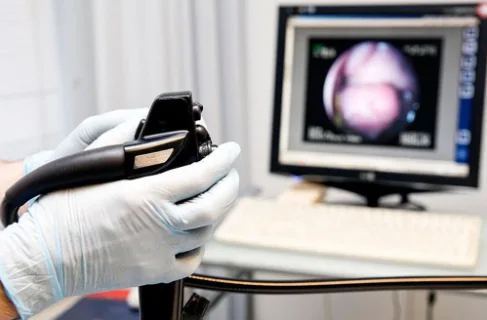
Endoscopy is a minimally invasive procedure that allows doctors to examine the inside of the body using a thin tube called an endoscope.

Cancer screening helps identify certain cancers or precancerous changes before symptoms appear.

Learn how this treatment is planned and delivered at Karnawat Cancer Hospital.

Cancer surgery is an important treatment option for many solid tumours, especially when the cancer is localized and can be safely removed.
If you have been advised to undergo a biopsy or have an abnormal scan or examination that requires further evaluation, consult an oncology team to understand the next diagnostic step. At Karnawat Cancer Hospital, patients can discuss their reports, biopsy requirements and cancer diagnosis with the medical team.
Share your details and our team will call you to confirm a time.