- OPD 9 AM – 6 PM · Emergency 24×7
- Mayur Nagar, N-11, CIDCO, Chhatrapati Sambhajinagar
Cancer screening helps identify certain cancers or precancerous changes before symptoms appear. It can be an important part of early detection, especially for people who have a higher risk of developing specific cancers.

Screening is not the same as diagnosing or treating cancer. If a screening test shows an abnormal result, your doctor may recommend further evaluation through imaging, endoscopy, biopsy or other diagnostic tests. The right screening approach depends on factors such as age, sex, family history, personal medical history and individual cancer risk.
At Karnawat Cancer Hospital, cancer screening and prevention are part of the hospital’s focus on early detection and cancer care in Chh. Sambhajinagar. The hospital provides screening guidance and cancer evaluation based on individual risk factors and clinical needs.
Cancer screening means checking for certain cancers or precancerous changes in people who may not have any symptoms. The purpose is to identify disease at an earlier stage when further evaluation and treatment can be considered. Screening does not mean that a person has cancer. A screening test may show a normal result, an abnormal finding or a result that requires additional testing. For example, mammography can be used for breast cancer screening while Pap tests and HPV tests can be used for cervical cancer screening. Colorectal cancer screening can also identify precancerous polyps that may be removed before they develop into cancer.
It is important to understand that there is no single cancer screening test that can detect every type of cancer. Screening is recommended only for certain cancers and specific groups based on available medical evidence.
Cancer screening helps identify certain cancers or early changes before symptoms appear. The process usually begins with a discussion about your health and personal cancer risk. Your doctor may consider your age, family history, medical history, lifestyle and other risk factors before recommending the right screening tests. Depending on your age, risk factors and the type of cancer being screened for, your doctor may recommend:
The type of screening test and how often you need it can vary based on your age, health history and individual risk. Your doctor can help you understand which screening options are appropriate for you.
It is important to remember that a screening test does not confirm cancer on its own. If a screening result is abnormal, your doctor may recommend additional tests or diagnostic procedures to determine the cause.
Cancer screening is available for certain cancers where screening has been shown to provide meaningful benefits for appropriate populations.
Breast cancer screening may include mammography and clinical assessment. The appropriate screening method depends on factors such as age, personal risk, family history and medical advice.
Cervical cancer screening may include HPV testing or a Pap test, depending on age and applicable guidelines. Screening can detect HPV infection or abnormal cell changes early.
Colorectal cancer screening can help detect cancer at an earlier stage. Some screening tests can also identify precancerous polyps, which may be removed to help prevent cancer.
Lung cancer screening is recommended for certain people at higher risk, particularly those with a significant smoking history. Low-dose CT may be advised based on individual risk.
People with risk factors such as tobacco use may benefit from an oral examination. Regular assessment can help identify unusual changes that may require further medical evaluation.
Prostate cancer screening decisions should be based on individual risk and discussion with a doctor. A PSA test may be considered for selected individuals after discussing potential benefits and limitations.
Cancer screening is generally intended for people who do not have symptoms. If you notice persistent or unusual symptoms, it is important to consult a doctor for proper medical evaluation rather than relying only on routine screening. Symptoms that may need medical attention include an unexplained lump or swelling, unusual bleeding, persistent changes in bowel or bladder habits, difficulty swallowing, ongoing cough, changes in voice, or unexplained weight loss. Other symptoms may include sores that do not heal, changes in a mole or skin lesion, persistent pain without an obvious cause, or ongoing digestive problems. These symptoms can also occur due to many non-cancerous conditions. Having one or more of these symptoms does not necessarily mean you have cancer. However, persistent or concerning changes should be evaluated by a qualified healthcare professional. Screening and early diagnosis are different: screening is for people without symptoms, while early diagnosis focuses on people who already have symptoms.
Cancer screening tests do not all have the same risks or side effects. Some are simple examinations while others may involve imaging, sample collection or additional procedures.
The possible benefits and harms of screening depend on the specific test and the population being screened. This is why screening should be recommended based on appropriate risk factors and evidence rather than using the same test for everyone.
While cancer screening can help detect certain cancers early, it may also have some limitations and potential risks. These may include:
Some screening tests or examinations may cause mild or temporary discomfort.
Waiting for screening results or undergoing further tests may cause stress or worry.
A screening test may indicate a possible abnormality even when cancer is not present, which may lead to additional tests.
In some cases, a screening test may not detect cancer even when it is present.
An abnormal screening result may require additional examinations or diagnostic tests to determine the cause.
Screening may sometimes detect cancers that would not have caused symptoms or affected a person's health during their lifetime. Your doctor can explain the potential benefits and limitations of a screening test and help you decide which screening options are appropriate for your individual risk.
Different cancers require different screening approaches. Some commonly used screening methods include:
Mammography uses X-rays to examine the breast for abnormalities that may indicate breast cancer. It can help detect some breast cancers before they cause noticeable symptoms.
A Pap test checks for abnormal changes in cervical cells, while an HPV test detects high-risk types of human papillomavirus that may increase the risk of cervical cancer.
Colorectal cancer screening may include stool-based tests or procedures such as colonoscopy, depending on individual risk and medical recommendations. Some methods can also detect precancerous polyps.
Low-dose computed tomography (CT) may be recommended for people who meet specific high-risk criteria for lung cancer. It is not recommended as a routine screening test for everyone.
A clinical examination may be included as part of an individual's cancer risk assessment or early detection evaluation. At Karnawat Cancer Hospital, screening guidance is provided based on individual needs and risk factors.
Karnawat Cancer Hospital provides cancer screening and early detection guidance in Chh. Sambhajinagar. The hospital offers screening and risk assessment based on an individual’s health history, risk factors, age and clinical needs. Screening may include assessments for breast, cervical, oral, colorectal and prostate cancers, depending on individual requirements.
If a screening result shows an abnormality, the medical team may recommend appropriate diagnostic tests for further evaluation. Cancer screening is intended to identify possible cancer or precancerous changes early and does not by itself confirm a cancer diagnosis.
If you are looking for cancer screening in Sambhajinagar, consulting a qualified oncology team can help you understand which screening options may be appropriate based on your individual risk factors and medical history.
Cancer screening involves testing people who may not have symptoms to look for certain cancers or precancerous changes. Screening is available only for certain cancers and appropriate groups.
Cancer screening uses different tests depending on the cancer being screened for. The test may involve imaging, laboratory testing or a clinical examination. An abnormal screening result usually requires further evaluation and does not automatically mean that cancer is present.
The need for screening depends on factors such as age, sex, family history, personal medical history and other cancer risk factors. Your doctor can recommend appropriate screening based on your individual risk.
No. There is no single screening test that can detect all types of cancer. Screening is recommended for selected cancers where evidence supports its use.
diagnosis?
Screening is generally performed before symptoms appear to look for possible cancer or precancerous changes. Diagnosis is performed when there is a symptom, abnormal screening result or other concern and usually involves further investigation to determine whether cancer is present.
No. An abnormal screening result does not automatically mean that you have cancer. Further tests may be needed to understand the finding and establish a diagnosis.
The possible effects depend on the screening test. Some tests may cause temporary discomfort while others can lead to false-positive results, false-negative results or additional investigations. Your doctor can explain the potential benefits and risks of the recommended test.
Yes. This is one of the purposes of cancer screening. Screening can identify certain cancers or precancerous changes before symptoms appear. However, screening is not suitable for every cancer or every person.
Cancer screening guidance is available at Karnawat Cancer Hospital in K Sector, Mayur Nagar, N-11, CIDCO, Chh. Sambhajinagar. The appropriate screening or diagnostic evaluation depends on your symptoms, risk factors and medical history.
This page is for general information and does not replace a consultation. Treatment is decided by your oncologist after reviewing your reports.
Emergency & I.C.U. 24×7 · OPD 9 AM – 6 PM
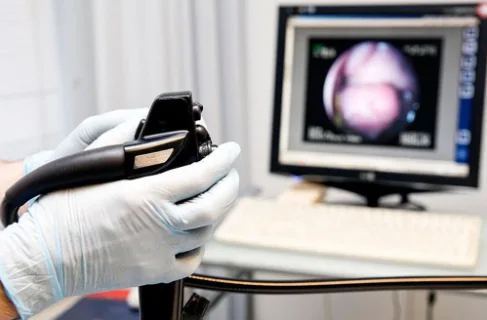
Endoscopy is a minimally invasive procedure that allows doctors to examine the inside of the body using a thin tube called an endoscope.

When a scan, examination or other test shows an abnormal area, your doctor may recommend a biopsy to understand what is causing the change.

Learn how this treatment is planned and delivered at Karnawat Cancer Hospital.

Cancer surgery is an important treatment option for many solid tumours, especially when the cancer is localized and can be safely removed.
Consultations, second opinions and treatment planning. Emergency and I.C.U. care 24 hours a day.
Share your details and our team will call you to confirm a time.